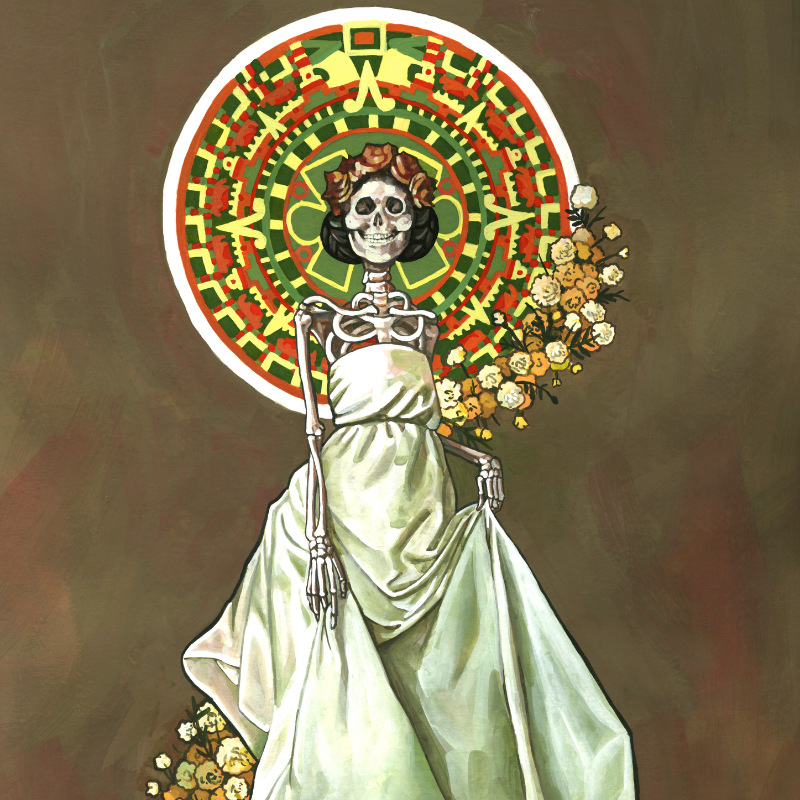
Every autumn, colorful altars, sugar skulls, and beautifully painted faces fill communities across Mexico and beyond as families celebrate Día de los Muertos. Among the holiday's most recognizable symbols is La Catrina, the elegant skeleton dressed in sophisticated attire.
La Catrina was originally created in 1910 by Mexican illustrator José Guadalupe Posada in a piece called La Calavera Garbancera. Posada used the skeletal figure to criticize people who abandoned their Indigenous roots in favor of European fashions and social customs. His message was simple yet profound: no matter how wealthy, fashionable, or powerful we become, death is the great equalizer.
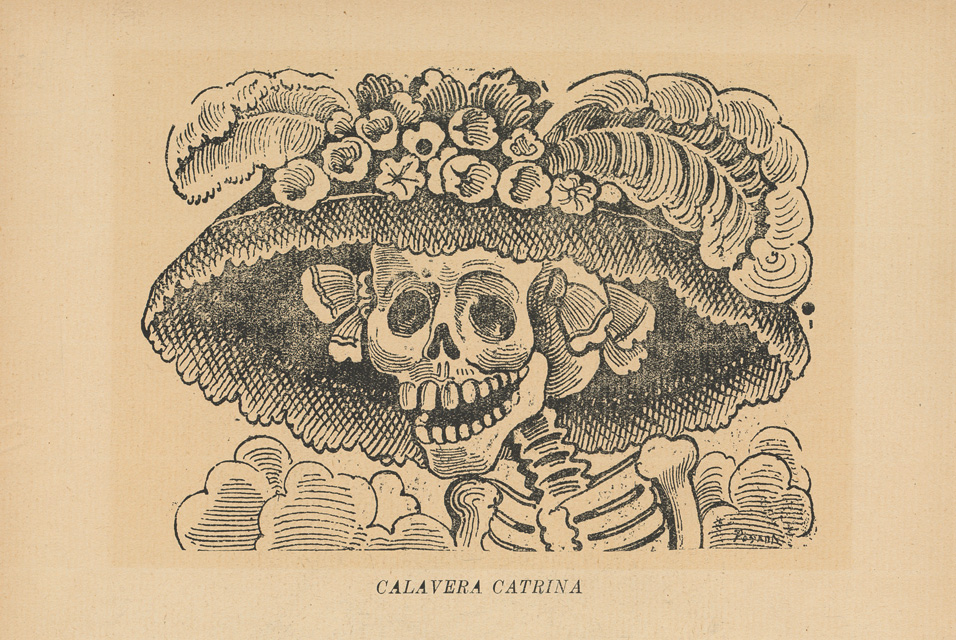
Years later, renowned Mexican muralist Diego Rivera immortalized the figure by portraying her in his famous mural Dream of a Sunday Afternoon in Alameda Park, giving her the elegant dress and the name La Catrina.
Today, La Catrina has become one of the most beloved symbols of Día de los Muertos. Her image appears in artwork, sculptures, parades, face painting, and community celebrations around the world.
Although she is often admired for her elaborate makeup and elegant clothing, La Catrina represents something much deeper. She reminds us that life is precious, death is a natural part of the human experience.
Each year, the Coachella Valley History Museum celebrates Día de los Muertos by bringing together the community to honor loved ones, preserve cultural traditions, and share the rich history behind this meaningful celebration.
Visitors can experience traditional ofrendas, vibrant performances, art exhibitions, music, and family-friendly activities while learning about the customs and symbolism that make Día de los Muertos such an important cultural tradition.
Whether you're admiring the beauty of La Catrina, creating memories with family, or remembering those who have passed, the celebration reminds us that our loved ones live on through our stories, traditions, and shared memories.
We invite you to join us in celebrating the history, artistry, and enduring spirit of Día de los Muertos. Discover why La Catrina continues to inspire generations as a symbol of remembrance, equality, and the celebration of life.