
The City of Indio is a supporting Partner of the CVHM. The generous commitment of this government agency is an invaluable resource for the museum and its mission.
The City of Indio was incorporated in 1930. Located in the Coachella Valley in Southern California, Indio is the largest municipality in the Valley, both in area and population. With fabulous weather, Indio offers abundant outdoor activities, including renowned polo matches, championship golf, cycling, equestrian events, and hiking. This ideal climate, combined with exceptional conditions for growing a variety of crops and an ample supply of groundwater, allows agriculture to remain the second-largest industry in the Coachella Valley.
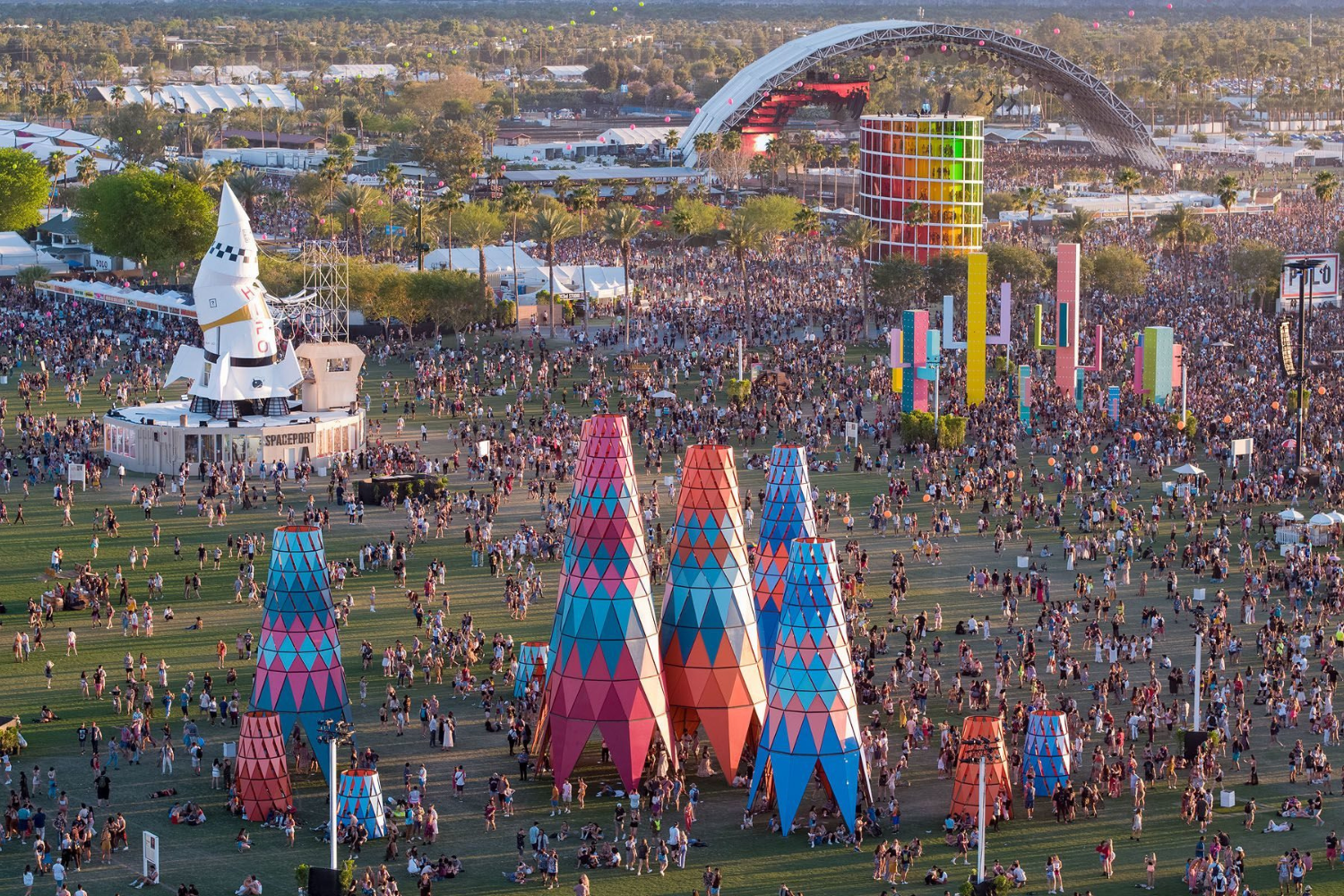
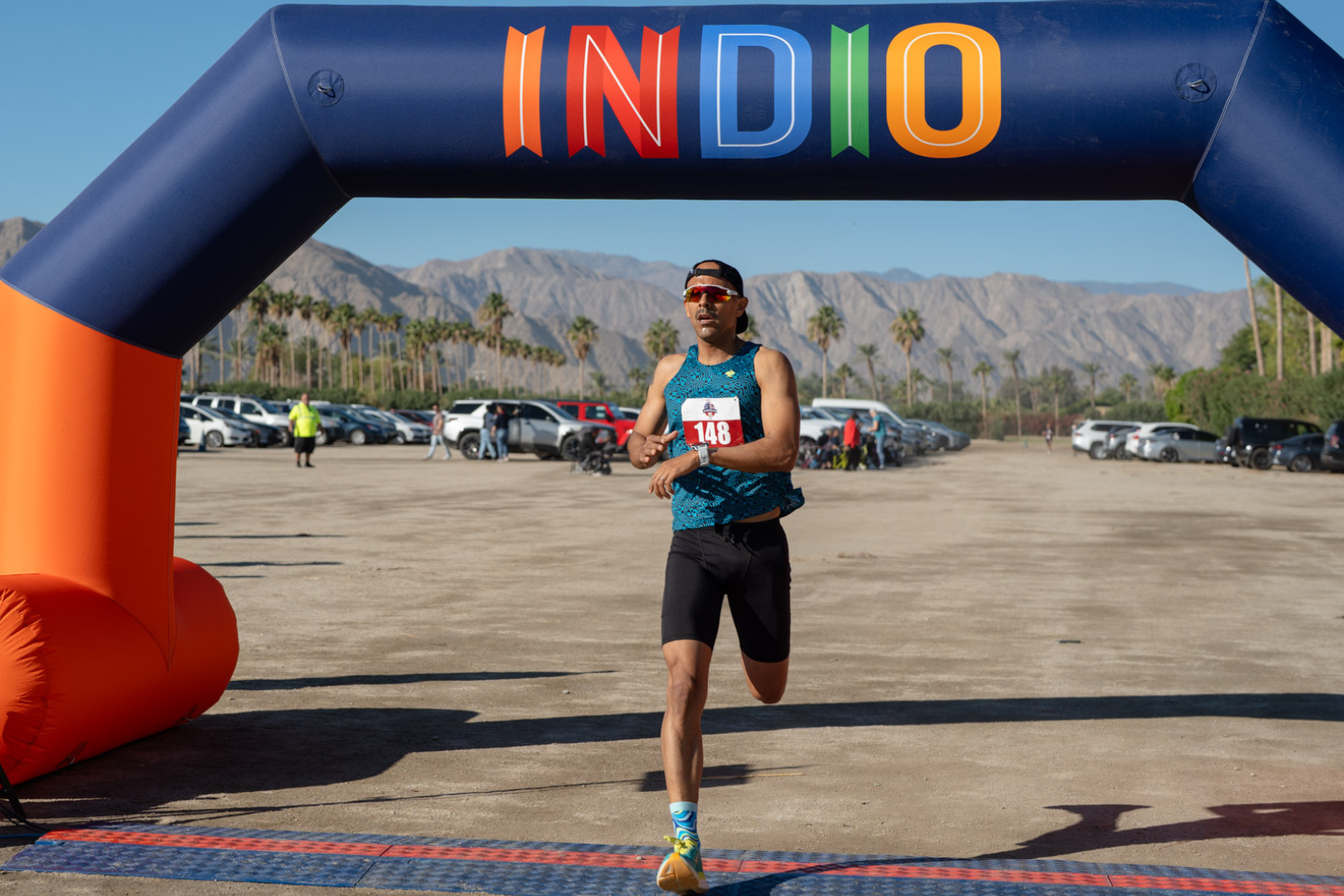
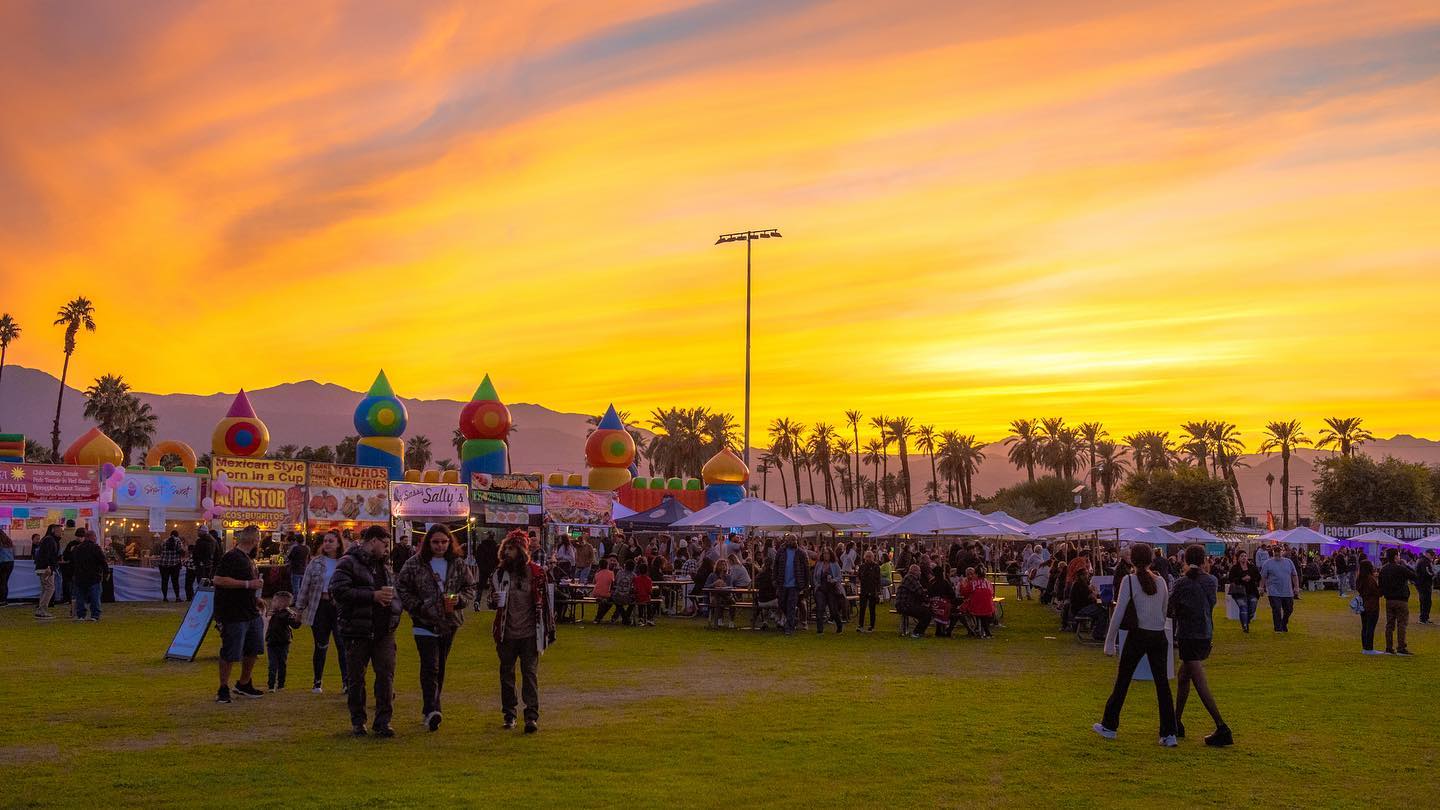
Tourism is ranked as the region’s top employer. With nearly a million visitors each year attending its festivals, shows, concerts, and events, Indio is known as the “City of Festivals.” Nearly 1.4 million people visit the “City of Festivals” every year to attend its world-famous arts, food, and music festivals such as the Coachella Valley Music & Arts Festival and Stagecoach Country Music Festival. These are some of the reasons Indio is ranked among the top emerging travel destinations in the country.
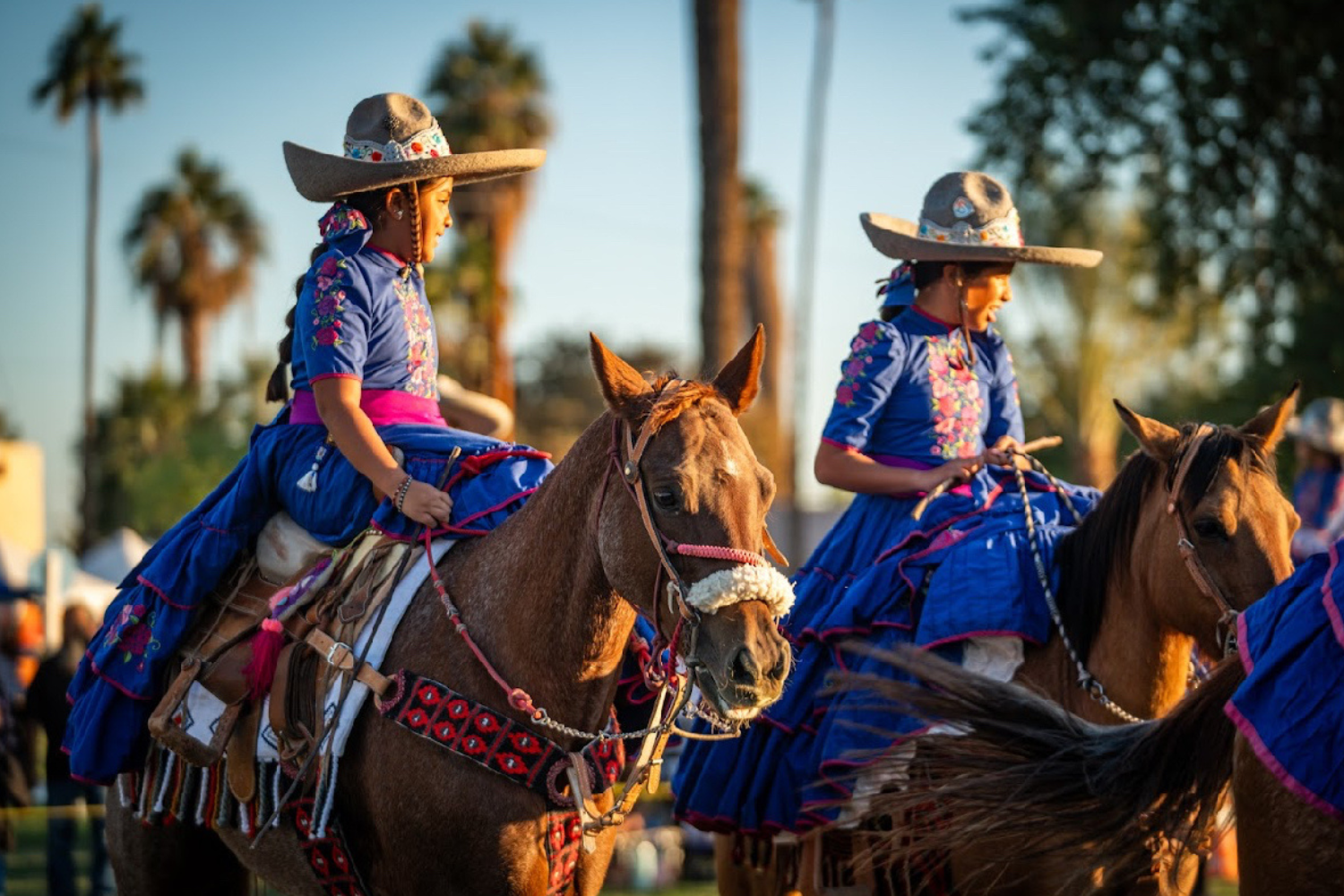

The City of Indio was born out of necessity, a railroad town that sprung to life in 1876 as the Southern Pacific Railroad built lines between Yuma, Arizona and Los Angeles, California. The engines needed a place to refill their water, and the workers needed somewhere to recharge their own batteries. Shortly after the City of Indio, named after a Spanish variation of “Indian,” was founded, the first permanent building was erected: The Southern Pacific Depot Station and Hotel. Hoping to attract and retain workers, the hotel quickly became the center of social life in Indio, a place where one could find fine dining and Friday night dances, a welcome reprieve from life in the harsh desert terrain. By the turn of the century, Indio had blossomed into a promising agricultural region. Ingenious farmers irrigated the land first through wells and later by accessing the All-American Canal, which allowed crops such as onions, cotton, grapes, citrus, and dates to thrive in the otherwise arid climate.
In 1907, Indio began work as the home of the USDA’s Date Station. Scientists researched date cultivation, learning farmers' techniques from the Persian Gulf and North Africa, where dates are native. The data collected through this initiative bolstered date production in Indio, and today the area produces all of the United States’ 41.4 million pounds annual output. Date production has become more than an economic boon to Indio, though. It has become part of its culture. Every year, Indio holds the National Date Festival, its Middle Eastern theme harkening back to the crop’s roots. It was likely this transition into an agricultural powerhouse that saved Indio from becoming a fading railroad outpost. With population growth came schools, medical facilities, and economic opportunity. On May 16, 1930, Indio was the first city in the Coachella Valley to be incorporated, only 54 years after its first building was erected. Today, the City of Indio is the largest and fastest-growing city in Riverside County’s Coachella Valley with over 93,000 residents.
To see historic images of Indio, California, over the last 100 years, visit Coachella Valley History Museum.

The City of Indio embraces its diversity and provides outstanding municipal services to enhance the quality of life for our residents, visitors, and the business community.