Find the latest details here about our Permanent Exhibitions and explore the stories, artifacts, and historical moments that help bring the history of our valley to life.
The Coachella Valley History Museum features a variety of permanent exhibitions that highlight the people, cultures, and industries that shaped the region. Throughout the museum grounds, visitors can explore historic buildings, outdoor displays, and carefully curated exhibits that tell the story of the Coachella Valley’s development and diverse heritage.
From agriculture and early community life to cultural traditions and immigrant stories, each exhibit helps preserve and share the rich legacy of the Coachella Valley while providing a deeper understanding of how the region has evolved over time.
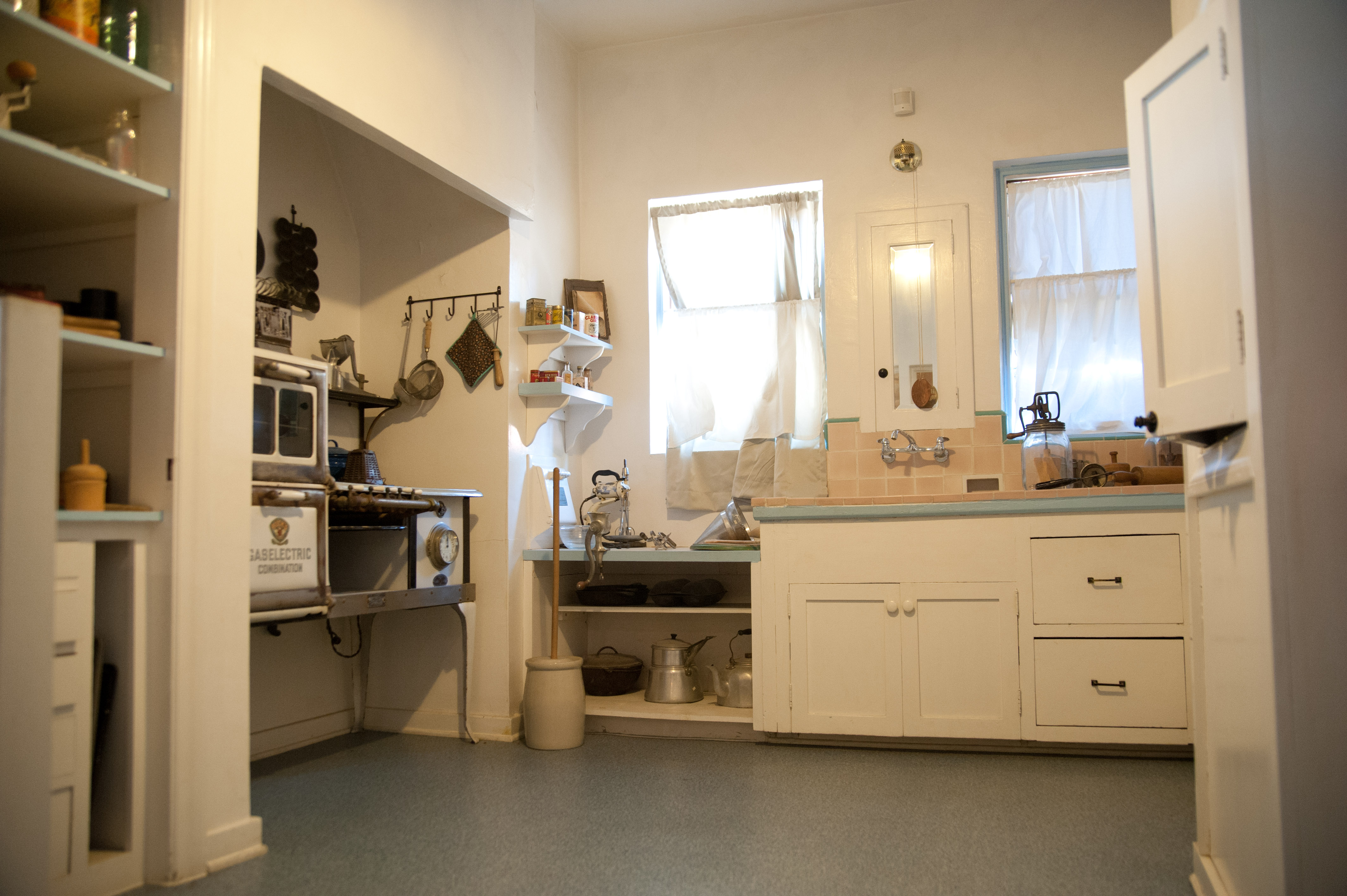
Once the private personal residence of Dr. Smiley and Dr. Tyler, this building now houses many of our most popular attractions: The Desert Cahuilla People Room, Water & Agriculture Exhibit Area, Heritage Room - this years annual rotating exhibit, Railroad & Fire Department Room, The 1930's and 1940's Kitchen, and the Pioneer Hall.Visit us to learn their amazing story and how the Smiley-Tyler families enriched the fabulous history of this one-of-a-kind, truly historical campus property.



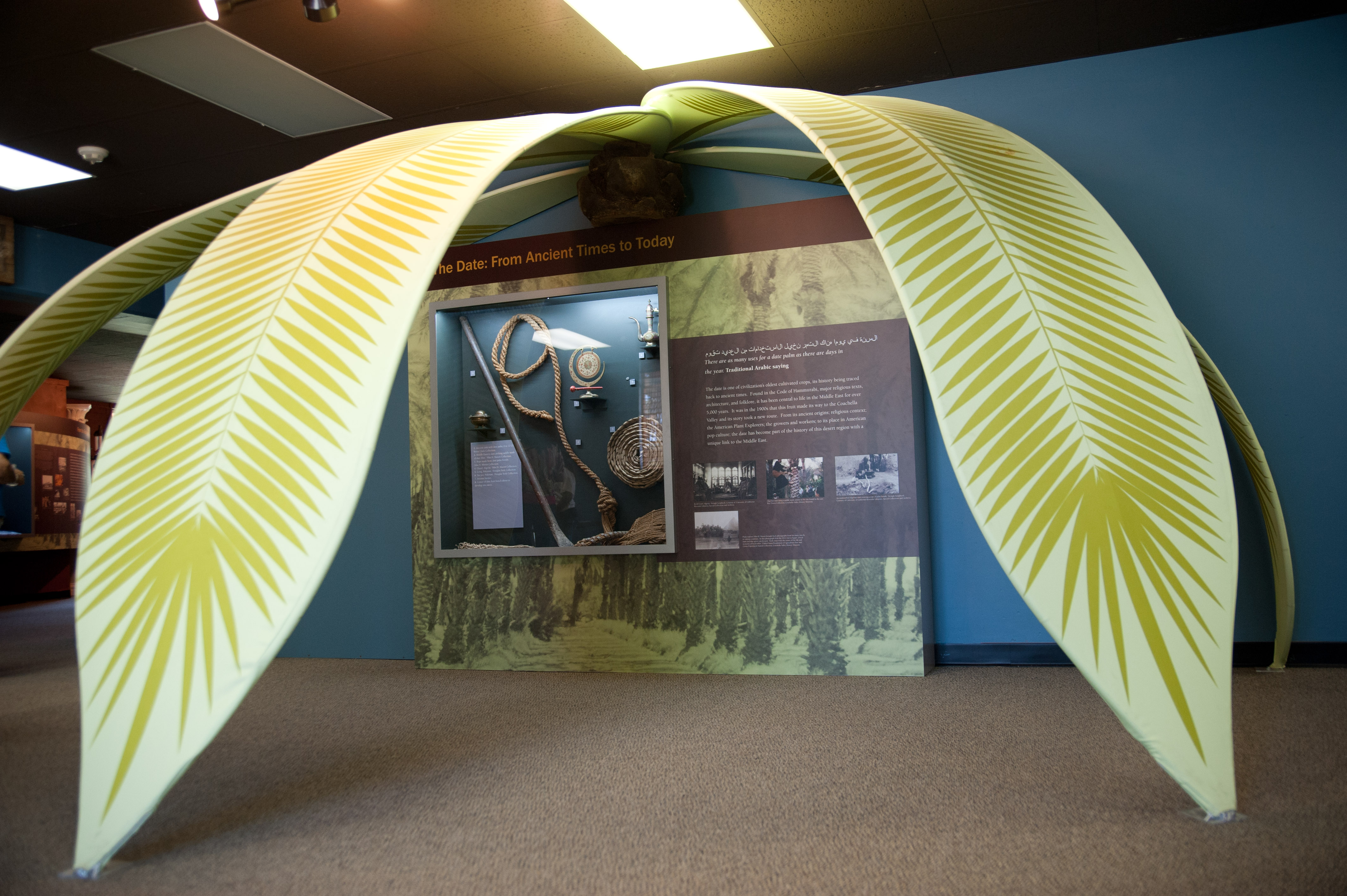
Where did dates originate? How have they evolved over time? And how did they ultimately take root in the Coachella Valley? This exhibition invites visitors to explore the remarkable journey of one of the world’s oldest cultivated crops—the date palm—and its enduring influence across cultures, economies, and landscapes.
Beginning in the ancient civilizations of the Middle East and North Africa, dates have long been valued not only as a vital food source but also as a symbol of sustenance, trade, and tradition. Over centuries, cultivation techniques were refined and passed down through generations, allowing the date palm to thrive in some of the world’s harshest desert environments. As global exploration and agricultural exchange expanded, these resilient trees made their way across continents, eventually arriving in the United States.
The exhibition traces this fascinating migration to the Coachella Valley, where early agricultural pioneers recognized the region’s unique climate as ideal for date cultivation. Visitors will discover how horticulturalists experimented with imported offshoots, how farmers adapted irrigation methods to sustain groves, and how a diverse workforce contributed their knowledge and labor to establish a thriving industry in the desert.
Through historical photographs, artifacts, and engaging interpretive displays, the exhibition highlights the people behind the palms—immigrant communities, skilled growers, and laborers whose dedication shaped the success of the crop. It also explores how the date industry influenced the economic growth of the region and became deeply woven into the cultural identity of the Coachella Valley.
By connecting past to present, this exhibition offers a deeper understanding of how a single crop can transform a landscape and leave a lasting legacy—inviting visitors to reflect on the rich agricultural heritage that continues to define the region today.
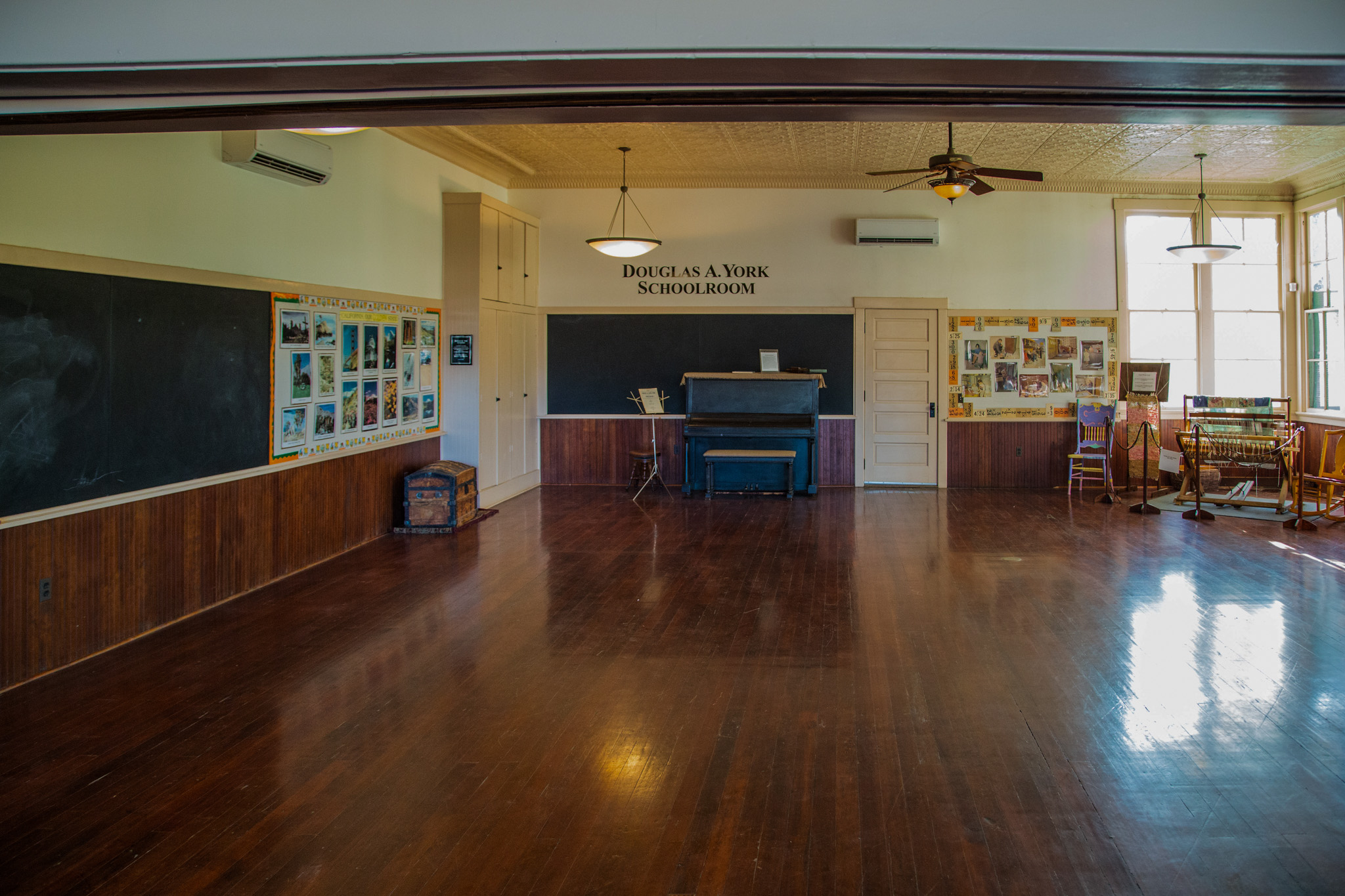
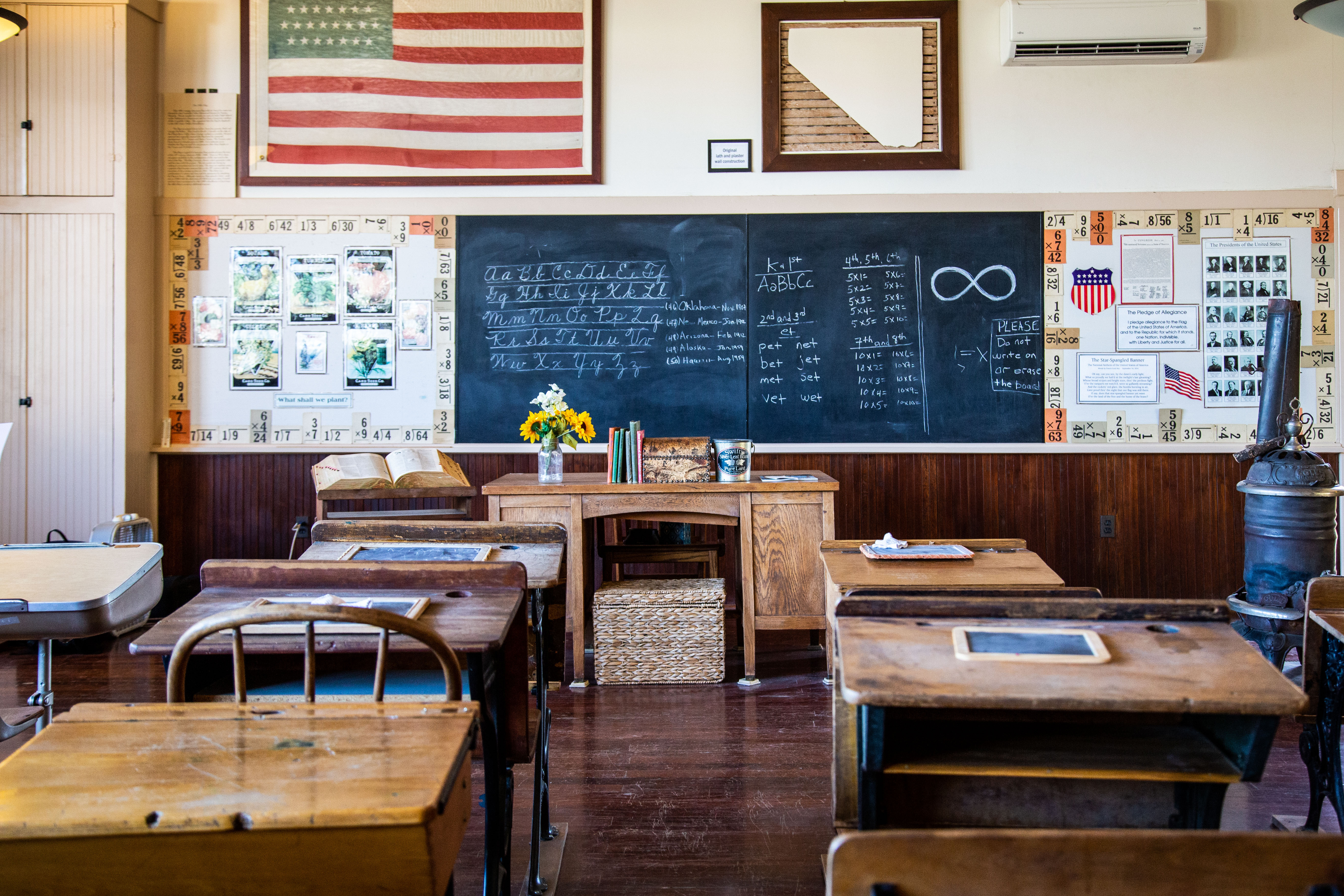
A real trip back in time, the 1909 Indio Schoolhouse - Indio's third school- was transferred to the museum grounds in 1999. The school was originally built with help from the Southern Pacific Railroad, something that is clear in the early train depot design. Student desks are set up as they were so long ago, complete with slate boards for writing lessons. The 1909 Indio Schoolhouse is truly a must-see!

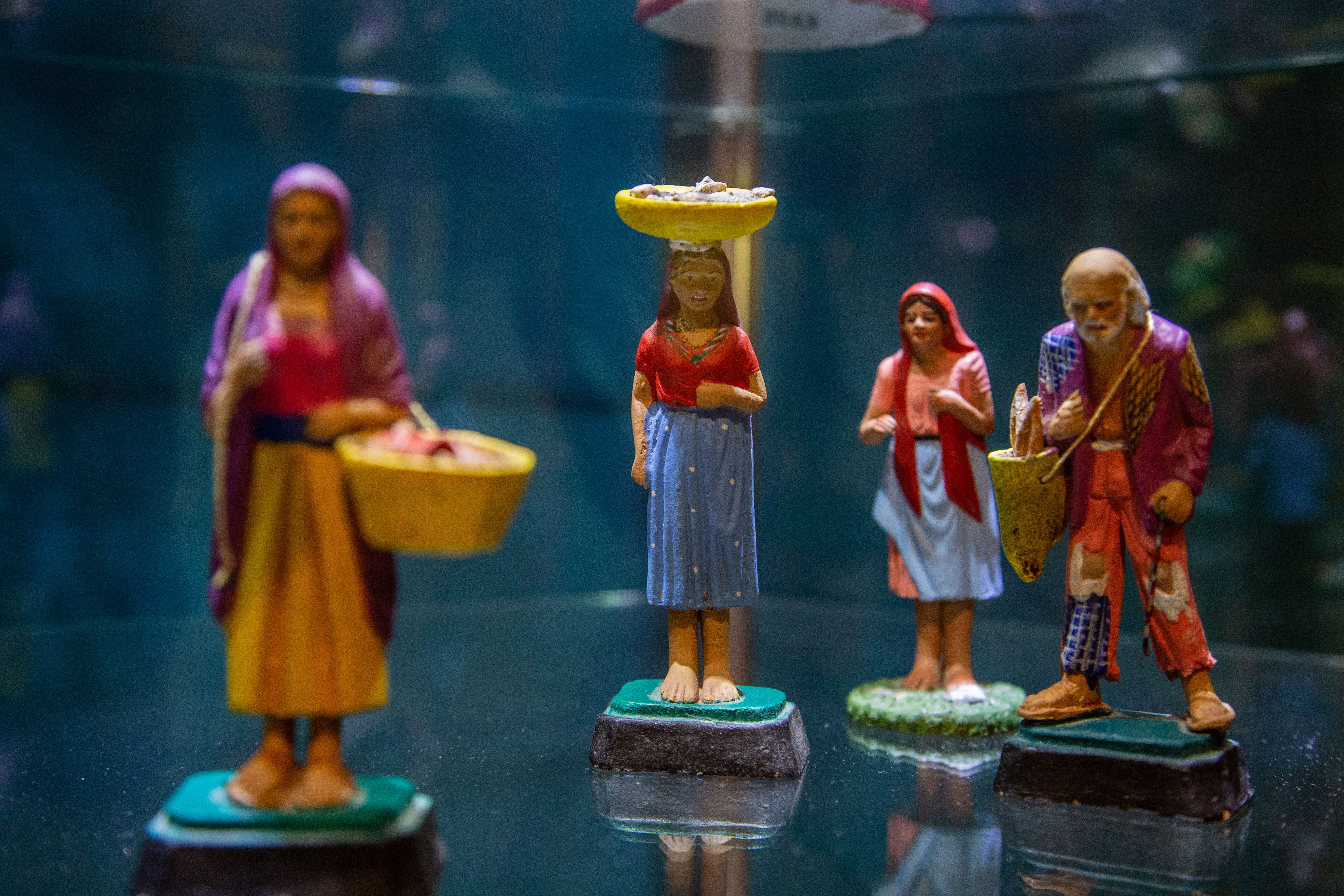
Discover an outstanding, eclectic, and vividly colorful collection of Mexican folk art that celebrates the creativity, ingenuity, and enduring traditions of skilled artisans from across Mexico. This exhibition brings together a vibrant array of textiles, pottery, traditional costumes, wooden toys, and decorative objects, each piece offering a glimpse into the diverse regional styles and cultural narratives that define this rich artistic heritage.
Rooted in centuries-old techniques and influenced by Indigenous and Spanish traditions, Mexican folk art is deeply connected to everyday life, storytelling, and community identity. The works on display reflect not only exceptional craftsmanship, but also the imagination and personal expression of the artists who create them. From intricately woven fabrics and hand-painted ceramics to whimsical carved figures and festive garments, every object tells a story—capturing moments of celebration, spirituality, and daily life with color, texture, and meaning.
Visitors will gain a deeper appreciation for the materials, methods, and symbolism behind these creations, learning how artisans pass down their skills through generations while continuing to innovate and reinterpret traditional forms. The exhibition also highlights the cultural significance of folk art as both a functional and decorative practice, bridging the gap between utility and artistic expression.
Housed within the museum’s historic 1926 Smiley-Tyler Adobe House, the collection is presented in a setting that enhances its authenticity and charm. The warmth and character of the adobe structure provide a unique and immersive environment, creating a meaningful dialogue between the handcrafted works and the historic space itself. This distinctive backdrop invites visitors to experience the art in a more intimate and reflective way, deepening their connection to the objects and the stories they carry.
Together, the collection and its setting offer a rich, engaging experience that honors the vibrancy and resilience of Mexican folk art—celebrating its lasting legacy and its continued importance as a powerful form of cultural expression.
.png)
-p-1080.jpg)
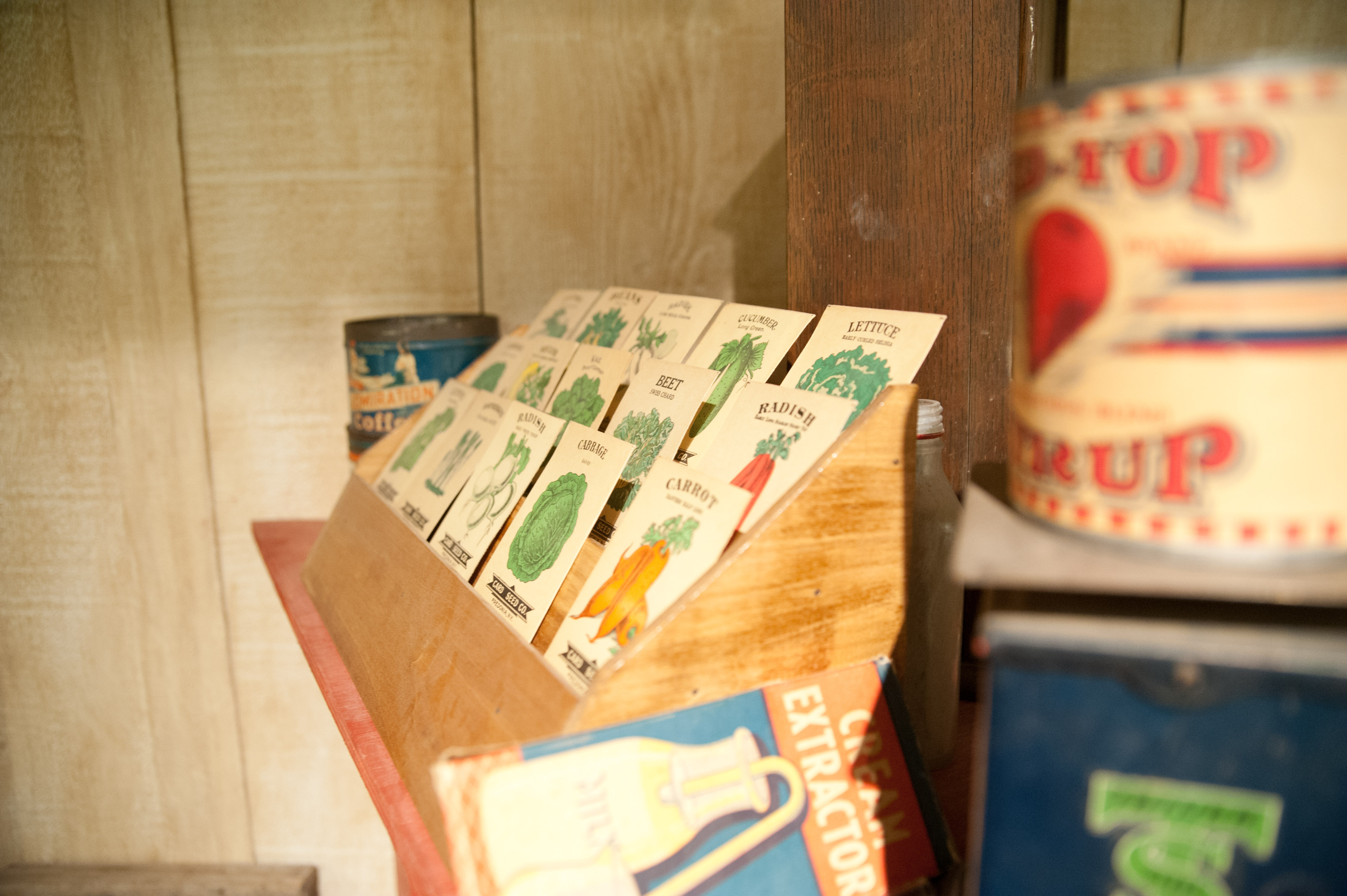
Available land and water brought people to the Coachella Valley to grow fruits, vegetables and hay over 100 years ago before there were any automobiles or air conditioners. Paying homage to the pioneers, cultivators and railroad workers, this array of tools, structures and equipment are on display to give a sense of how this valley was being transformed to pave the way for the 21st century.
.png)

.png)
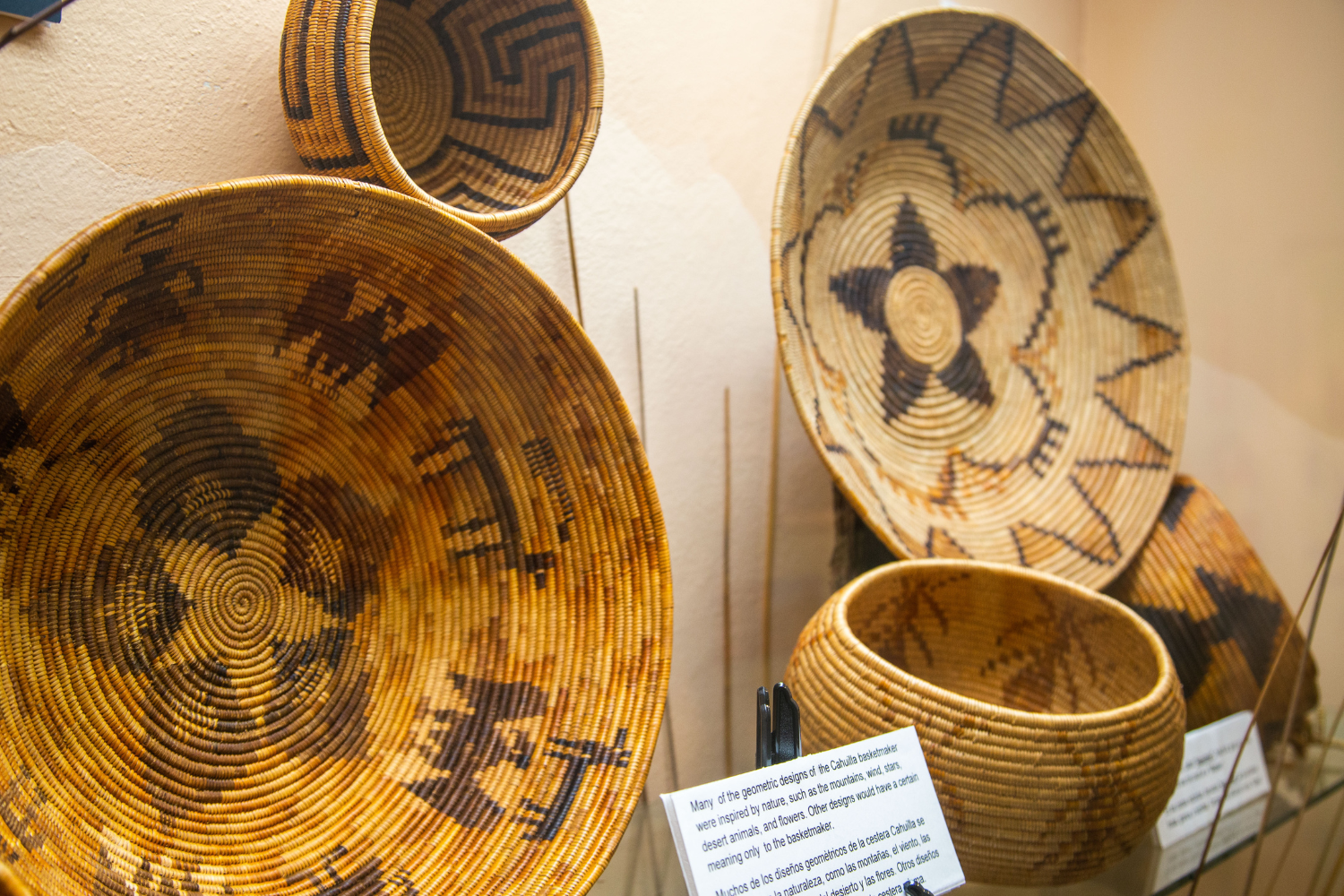
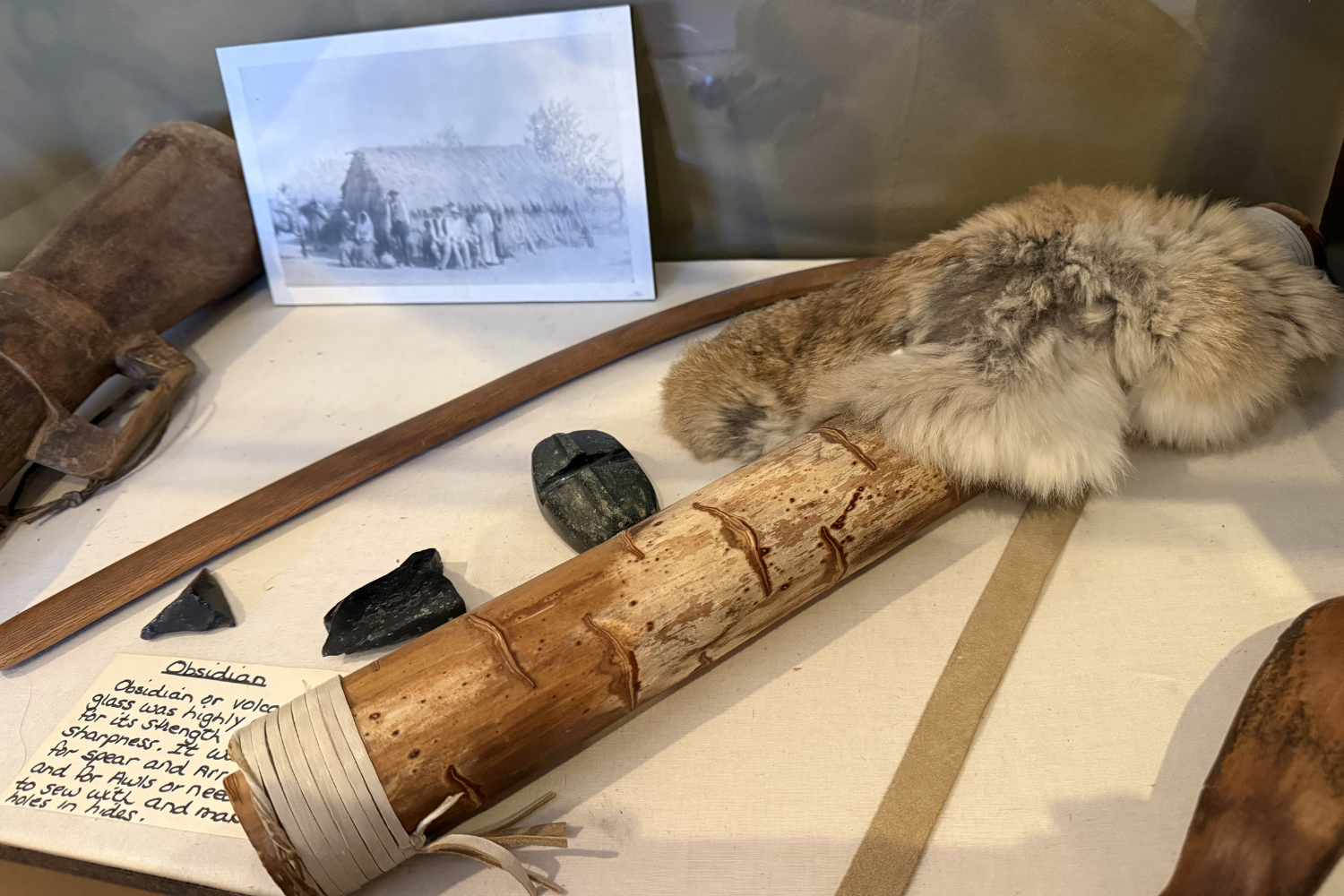
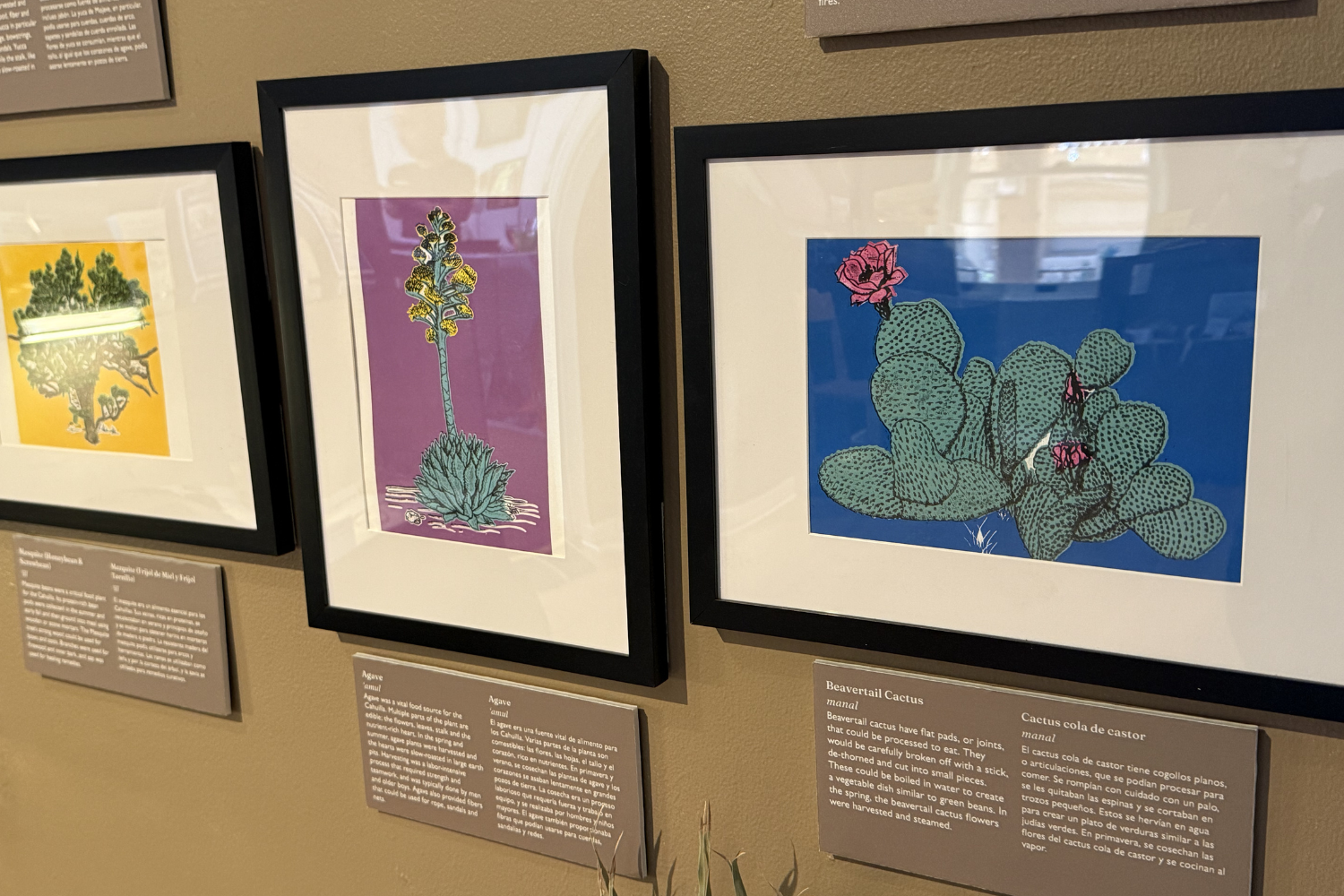
“The land’s the most important thing. If you don’t have land, you have nothing… this was given to us by our creator, to take care of it, to live here in harmony with it, and that’s why we were put here - to protect it.”
- Katherine Silva Saubel
Coachella Valley History Museum’s Cahuilla Exhibit celebrates the past, present, and future of the First People of the Coachella Valley. With so much to examine about the culture of those who have been in the Coachella Valley since time immemorial and who are still here, this exhibit focuses on examining who the Cahuilla are, how their ancient culture utilized the land and desert plants, the historical events that have affected Cahuilla culture, significant cultural and political leaders, and the ways in which the Cahuilla continue to make an impact on the valley’s desert cities today.
All nine federally recognized Cahuilla tribes that occupy land in and around the Coachella Valley are acknowledged in this exhibit. They are Agua Caliente Band of Cahuilla Indians (Palm Springs, Cathedral City, and Rancho Mirage), Augustine Band of Indians (Coachella), Cabazon Band of Cahuilla Indians (Indio), Cahuilla Band of Indians (Anza), Los Coyotes Band of Cahuilla and Cupeno Indians (Warner Springs, San Diego County), Morongo Band of Mission Indians (Banning), Ramona Band of Cahuilla Indians (Anza), Santa Rosa Band of Indians (between Palm Springs and Anza), and Torres-Martinez Band of Desert Cahuilla Indians (Thermal). Though not a Cahuilla tribe, the Twentynine Palms Band of Mission Indians is another federally recognized tribe in the region that is part of the Chemehuevi tribe, with a presence in Coachella and Twentynine Palms. Some of the Cahuilla leaders highlighted in our exhibit are Ruby Modesto (1913-1980), Katherine Silva Saubel (1920-2022), and Chief Cabezon (1776-1876).
Every community in the United States owes its existence to cultures and people who came before. Some were brought here against their will; others arrived in search of a better life. Some have lived on this land for countless generations. Recognizing the many layers of our history, including its harms, is an essential step toward justice.
The Coachella Valley Historical Society acknowledges that the Cahuilla and other Indigenous people endured colonization, land theft, and assimilation. Against this backdrop, however, they have worked diligently to survive and thrive.
We honor the ancestral homelands of the Cahuilla people on which we stand, as well as the other sovereign Indian Nations of Southern California. We recognize and respect their continued presence, resilience, and unbroken relationship to this land - past, present, and future.
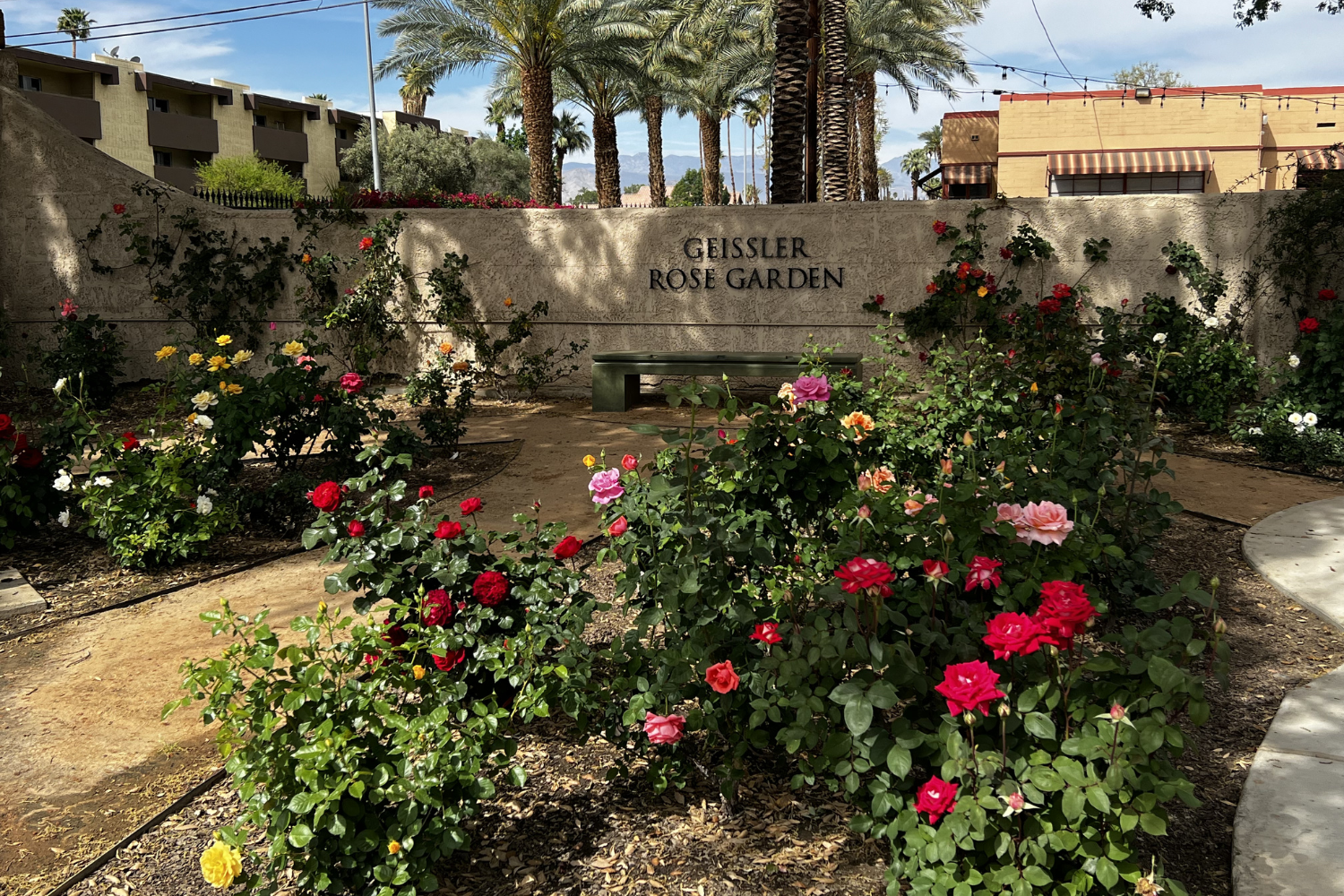
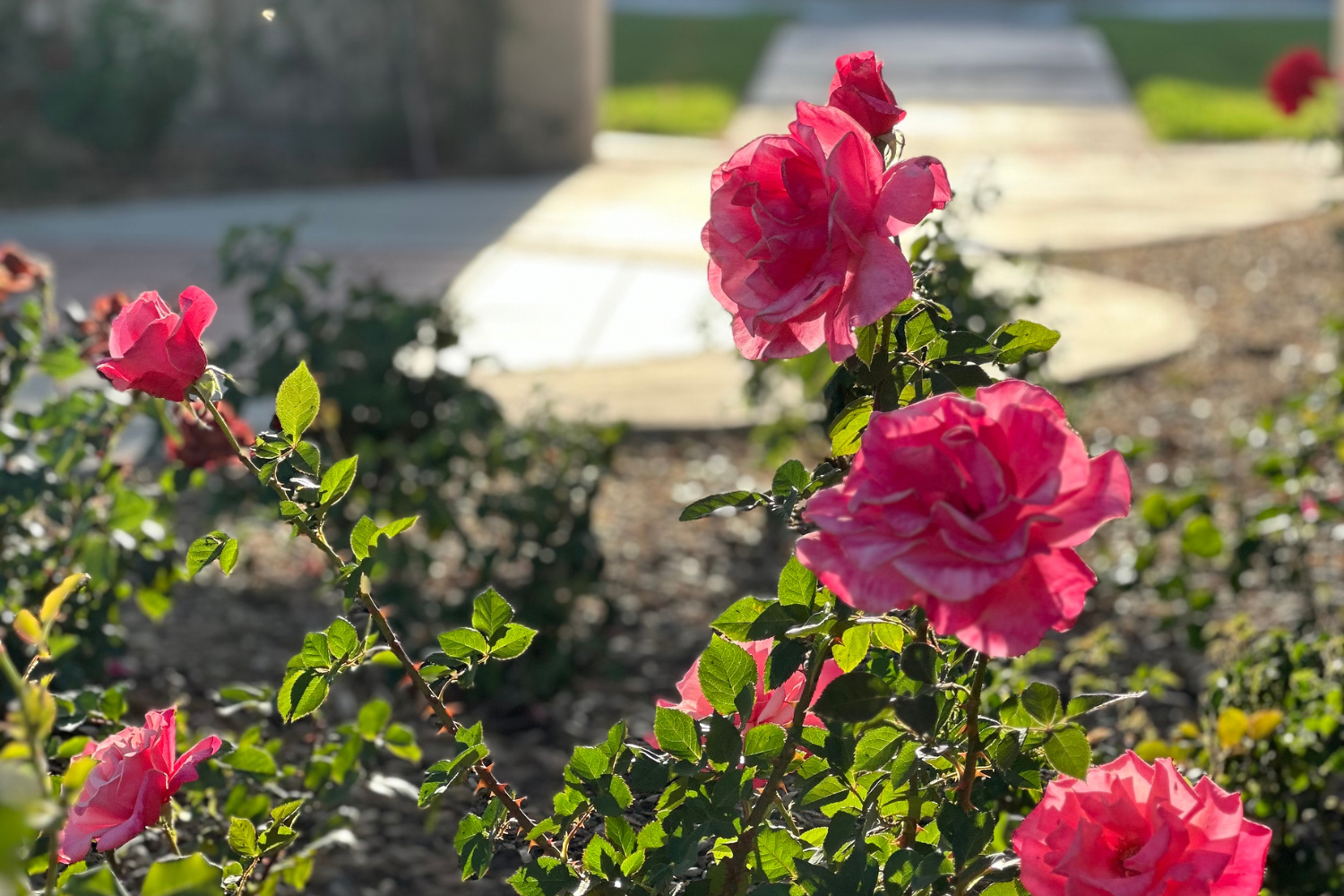
The Geissler Rose Garden is a tranquil memorial garden dedicated to Coachella Valley pioneers Otto Geissler and Viola Meyer Geissler, who arrived in the area in 1905 and 1911. Shaded by the Liberty Tree, this garden showcases beautiful roses that can thrive in the desert climate and provides a peaceful shaded area for visitors to sit. Gardening Workshops are hosted seasonally in the Geissler Rose Garden, including rose-pruning demonstrations by the UCCE Master Gardeners of Riverside County. It is also the venue for special events, such as the museum’s annual Majestic English Tea Party.

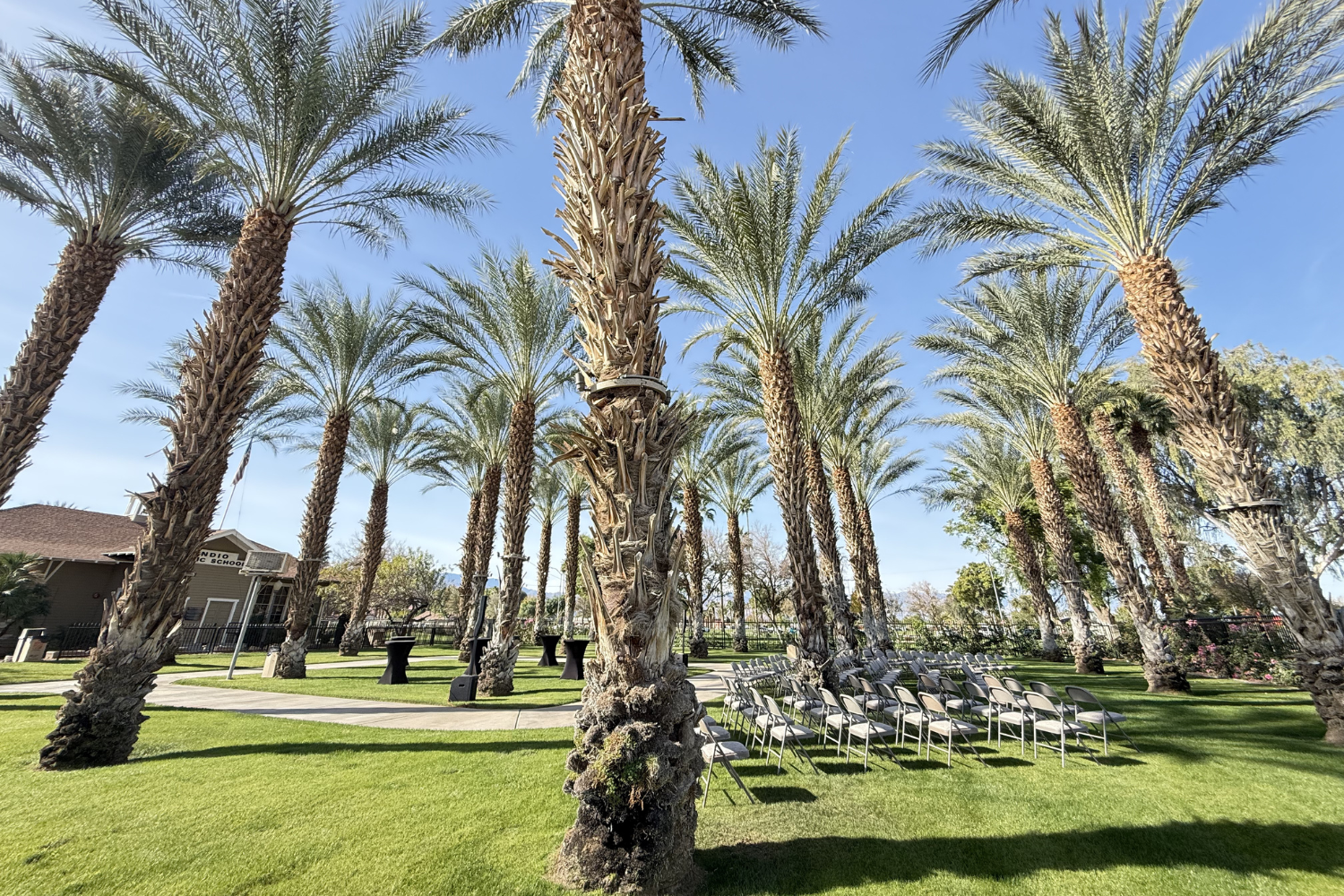
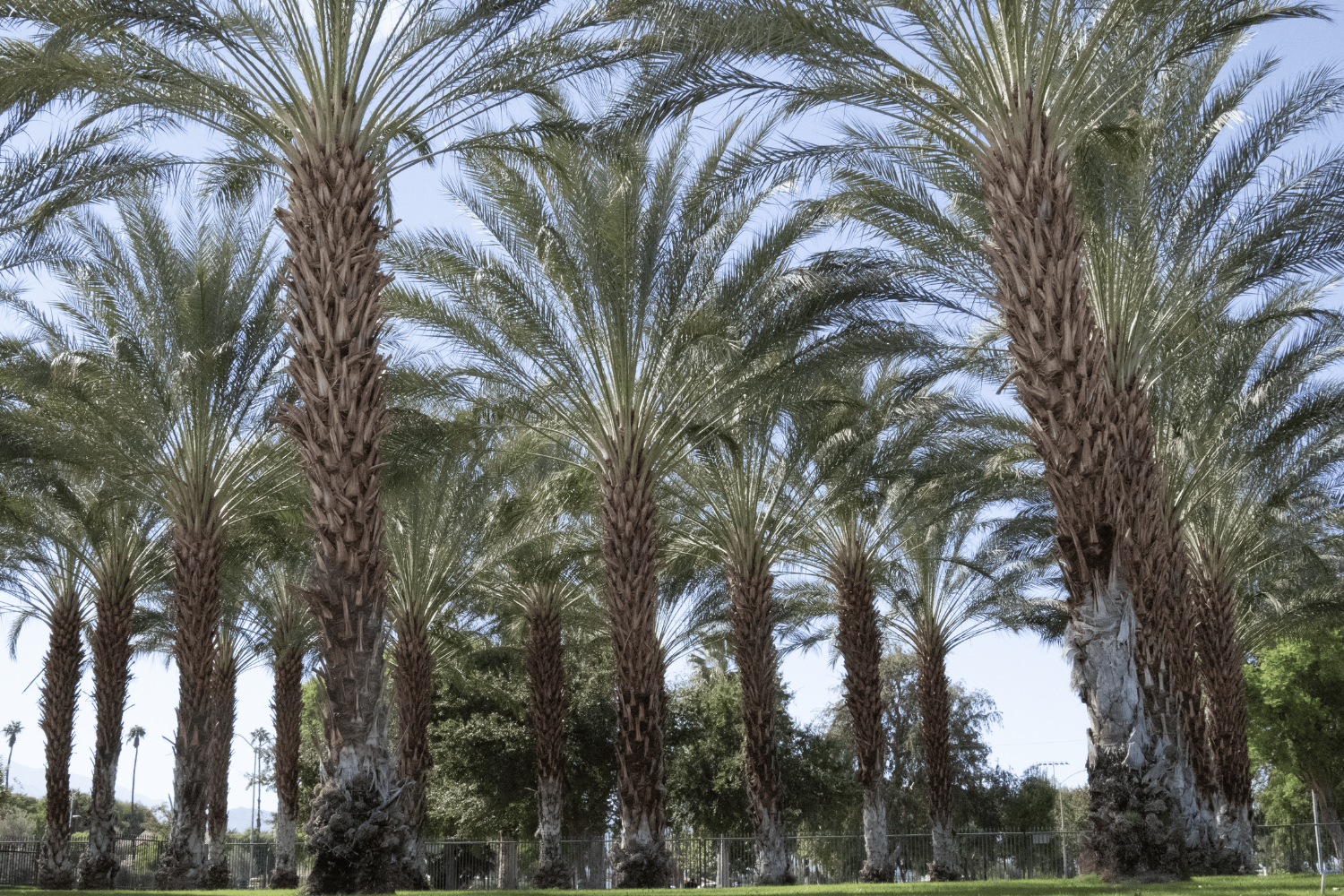
A breathtaking garden of date palms situated in the northwest corner of the museum next to the 19009 Schoolhouse, the Memorial Date Garden recognizes and remembers the presence of the Date Industry in the Coachella Valley for more than 100 years and its importance to the growth of the Coachella Valley.
The date palm is the signature tree of the Coachella Valley. Not only are the beautiful commercial date gardens unique, but almost every residential and business development uses them for landscaping. The fruit has been an important part of the valley's agricultural production, and in the past, dozens of “date shops” were a tourist attraction. At the beginning of the 21st century, few of those retail shops were left, but the trees remain, furnishing fruit for the wholesale market, and tall trees for the golf course, condominium, shopping center, and housing developments.
The Coachella Valley is the place best suited to date culture in the entire United States. Our Salton Basin has the climate, soil, and water the date palm needs to produce well. The date palms on the Coachella Valley History Museum’s campus give recognition to the importance of this plant in the history of the world, and to the daring men who traveled to the desert areas of the Middle East to secure and transport back the best varieties for commercial plantings.
The Coachella Valley Historical Society’s Date Museum and Garden Committee, chaired at the time of its inception by Walter E. Geissler and Martin Sullivan, oversaw the installation of this beautiful grove to commemorate all of those involved with bringing and preserving this industry in the Coachella Valley. The individuals and businesses who assisted the Society with their time, efforts, materials, and funds to make the Memorial Date Garden a reality include: W.D. Young and Sons: John and Teresa Turco: Albert Keck and Family: The Chuchian Family: Hydro AG Systems: City of Indio: Hacienda Nursery and Landscape, Inc.: Mar-Crete Company, Inc.; Simon Ready-Mix; West Coast Turf; Coachella Valley Lions Club; Indio Boys and Girls Club; City of Indio Water Department; David Ison of City of Indio; and Southwest Boulder and Stone.
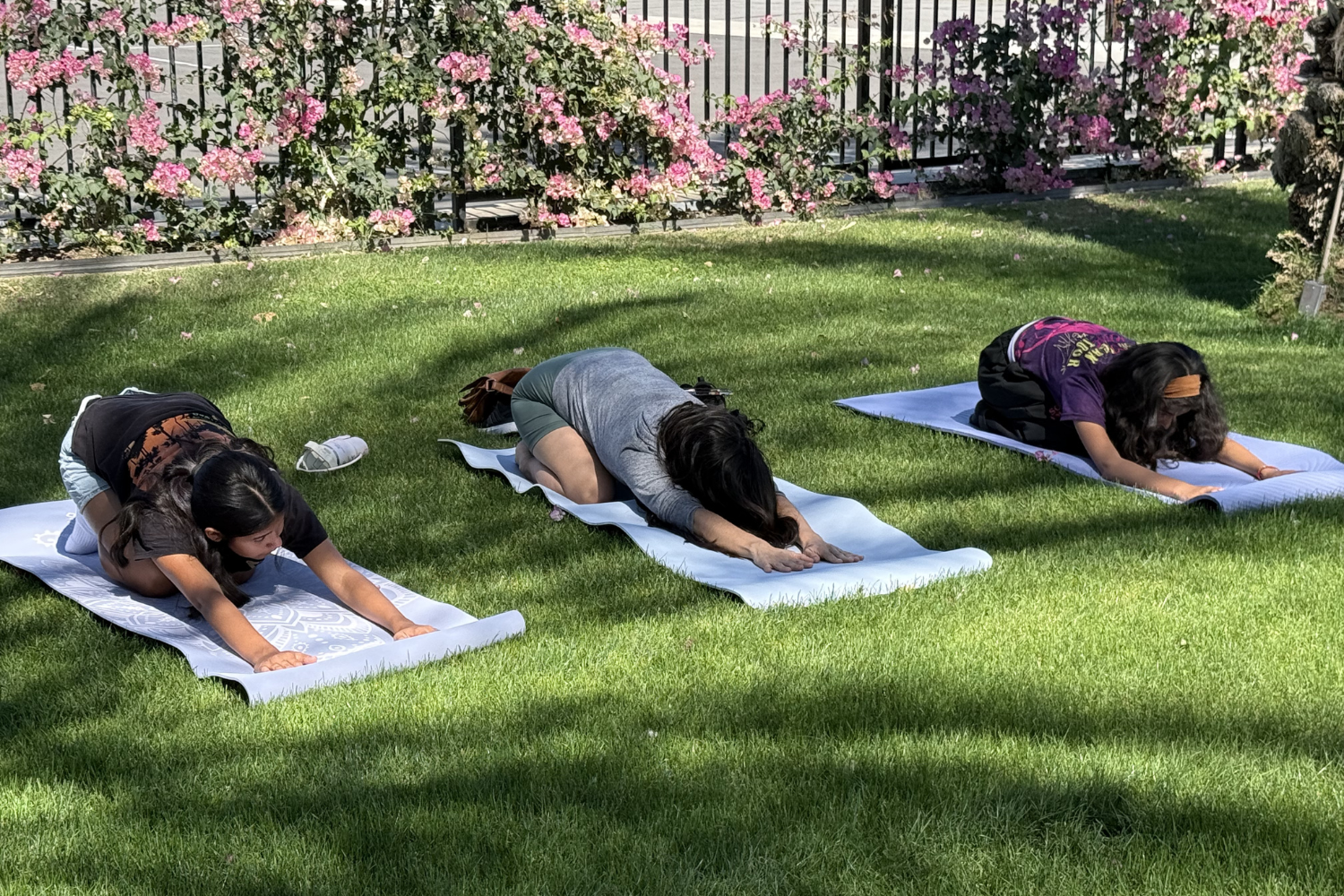
The Memorial Date Garden’s date palm canopies create a shaded area for strolling on a quiet day or practicing yoga on the lawn.
Dr. Reynaldo J. Carreon, M.D., for whom this garden is named, personally helped plant the original Desert Garden in 1988 to help visitors and students learn about plants used by the Cahuilla. Dotted with plants such as Barrel Cacti, California Fan Palms, Desert Agave, and more, the Dr. Carreon Desert Garden offers another place within the museum walls for observation and meditative rest.
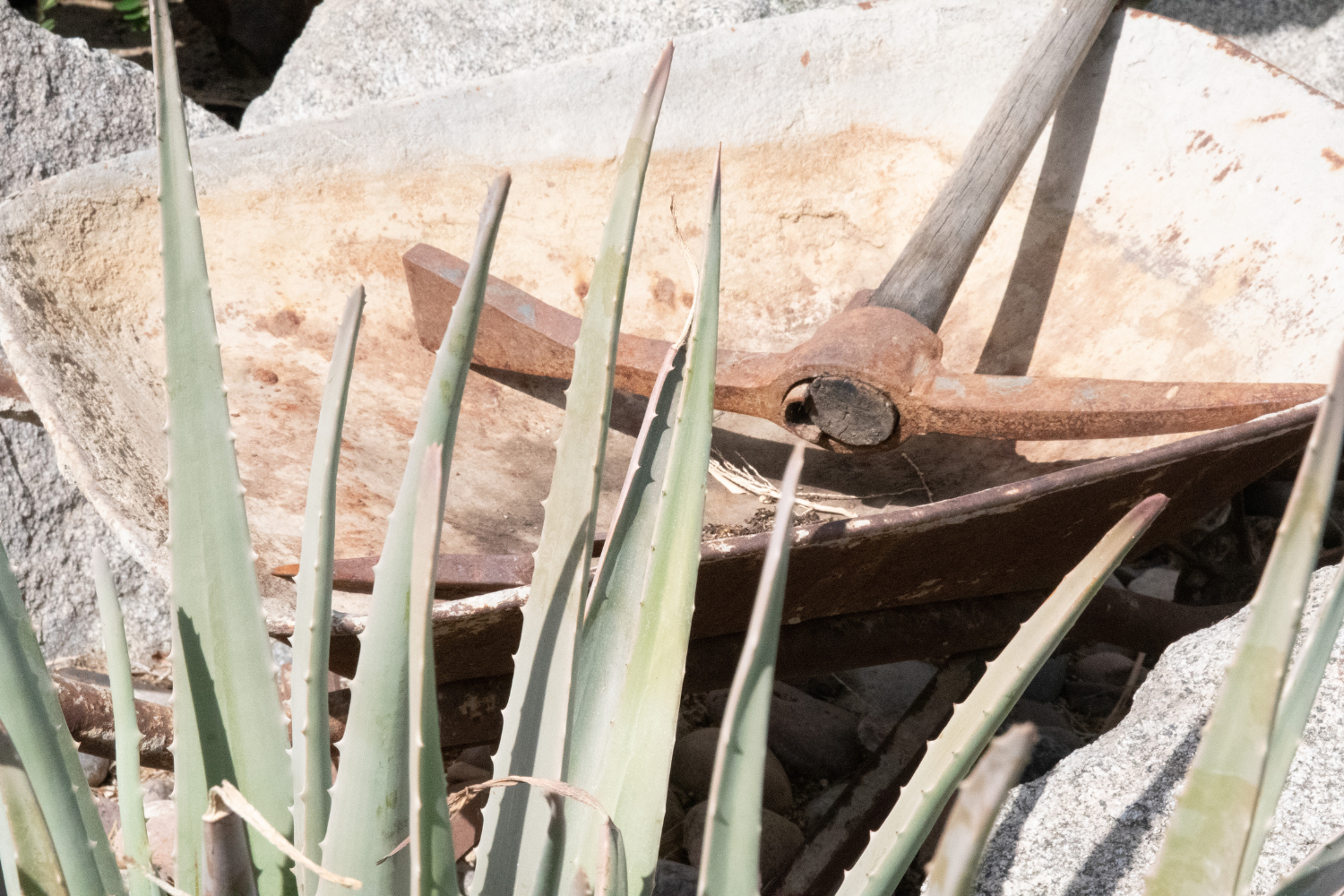
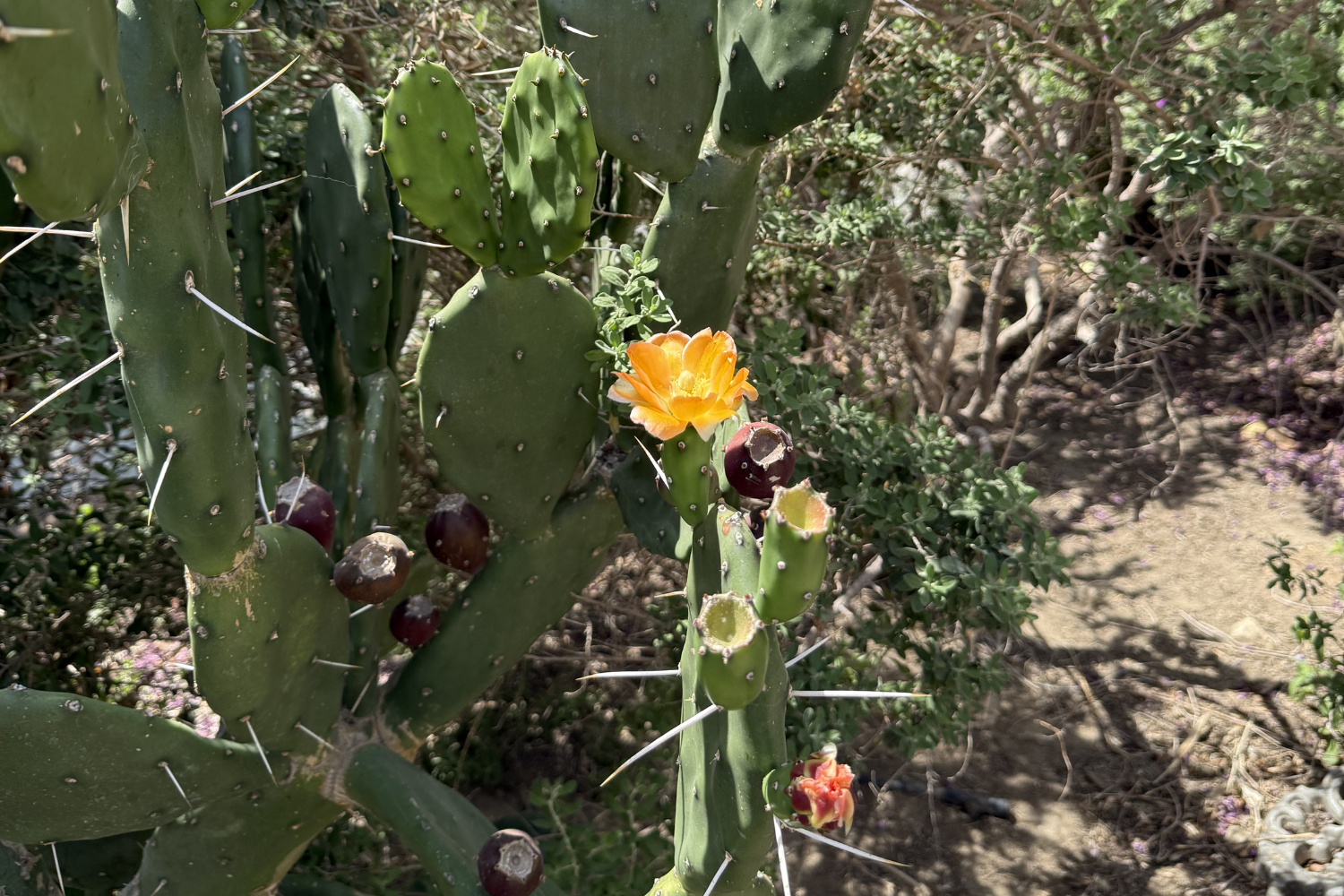
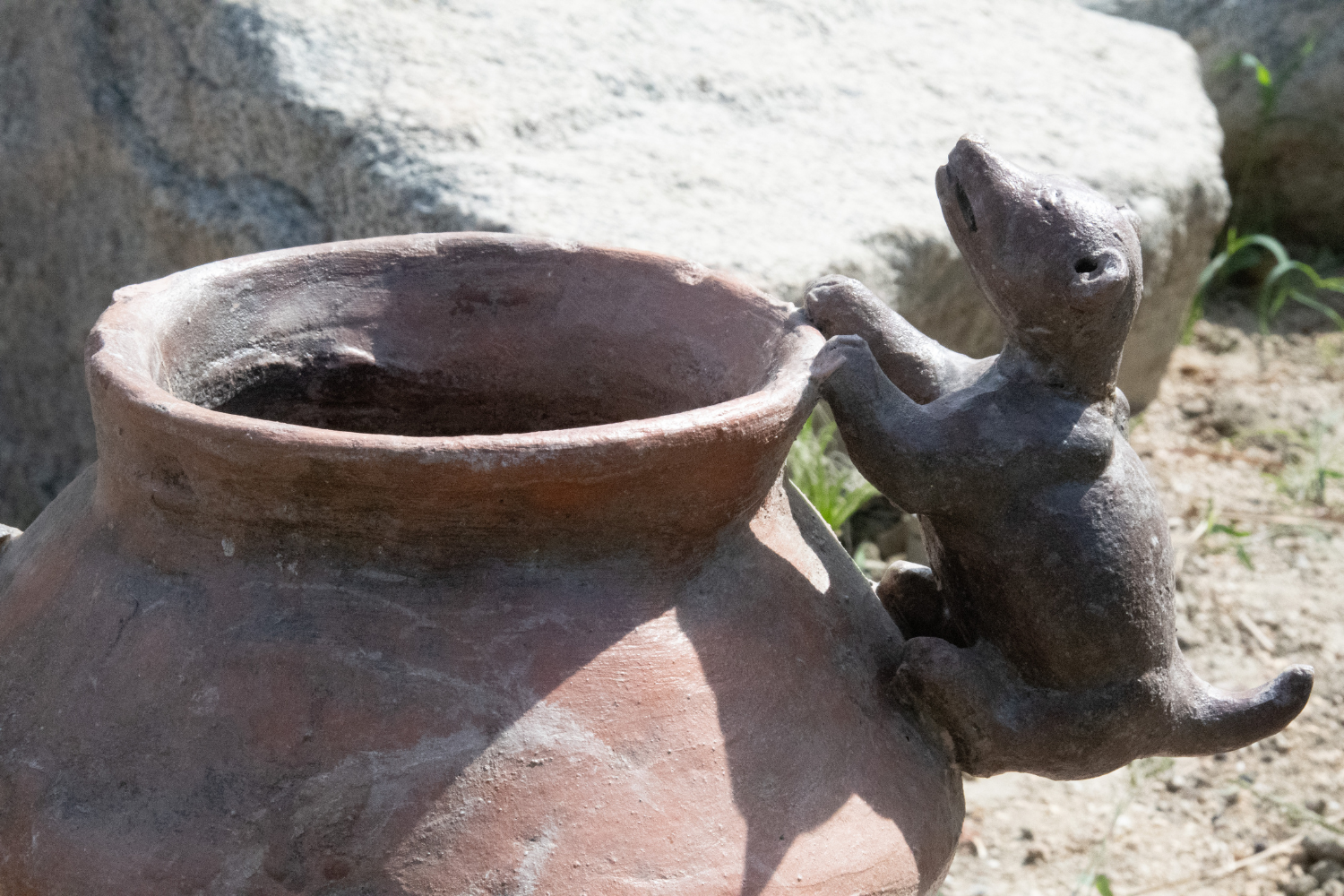

The Japanese Memorial Garden is a peaceful and meaningful space that honors the legacy of the early Japanese pioneers who helped shape the Coachella Valley. Created by descendants of the first generation of Japanese immigrants—known as the Issei—the garden serves as a tribute to their perseverance, cultural heritage, and lasting contributions to the region’s agricultural and community life.
Learn MoreLearn more about the Museum’s historical collections by visiting the Archives page. There you can explore information about the archive holdings, request historical research, schedule a visit by appointment, or submit payment for archive-related services.
Learn More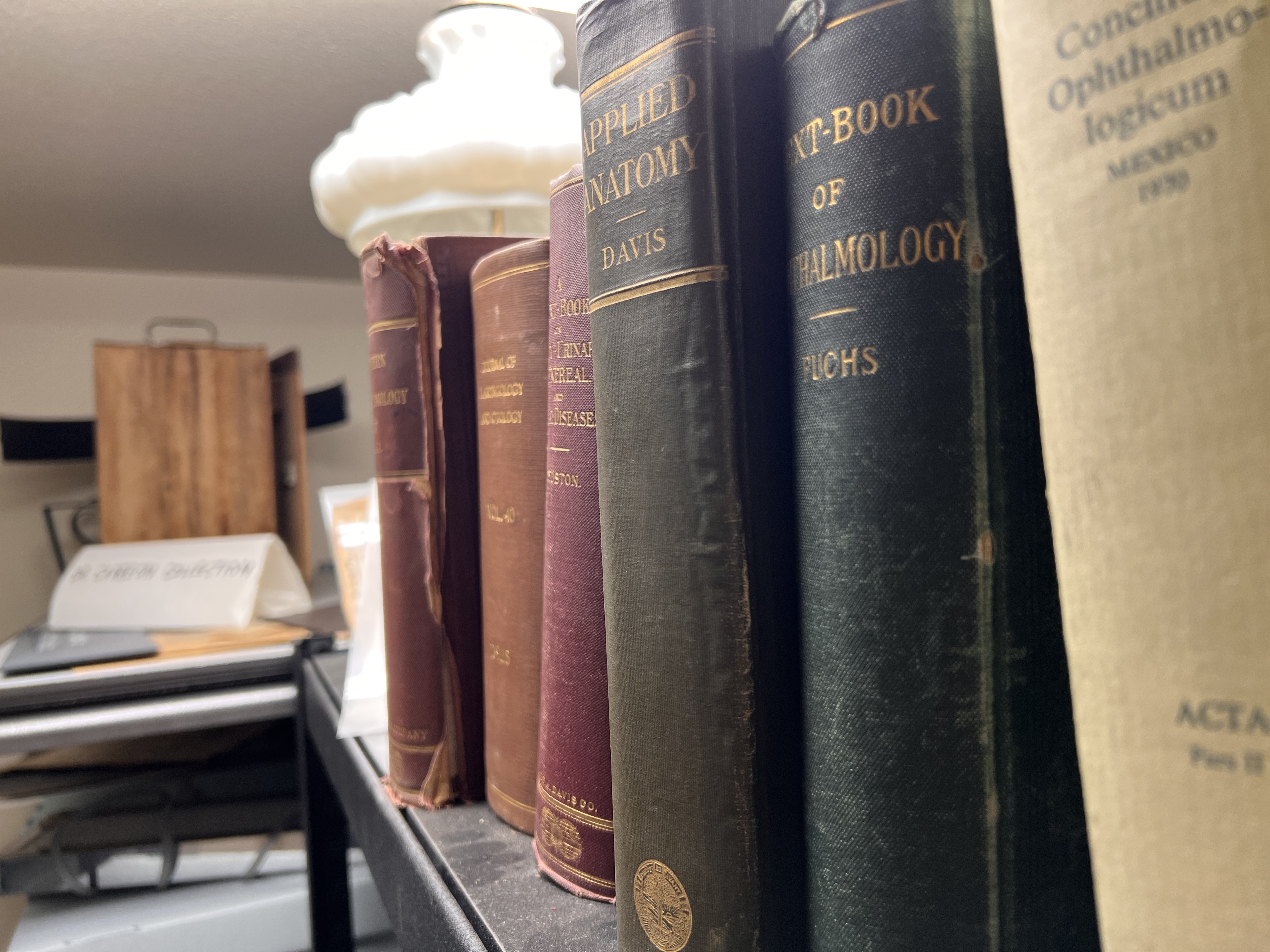
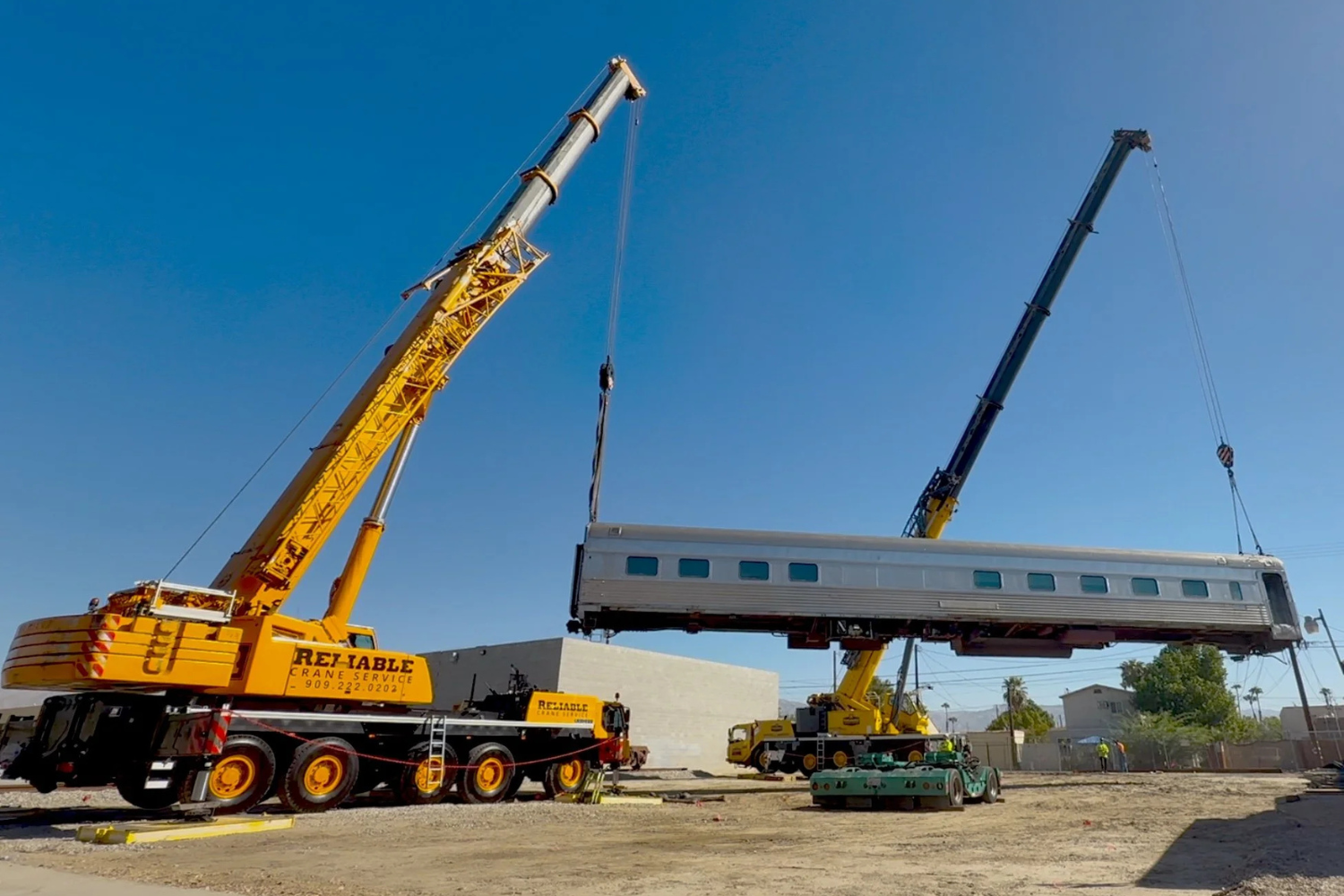
In partnership with the City of Indio, Indio Water Authority, Willcorp Engineering, Ray Martin Design, Monad Railway Equipment and Design Vision Studio, we are excited to begin a new adventure on our campus. The Empire Sunset will encompass the 15,000-square-foot lot on the northeast corner of the campus that will feature an array of drought-tolerant demonstration gardens and an immersive, interactive railway exhibit.
Learn More