Hospitality Hostess Extraordinaire
by Renee Brown
Snuggled in the shadow of Mt. San Jacinto, the Ingleside Inn blends history and hospitality in the casual elegance and charm of a bygone era. Originally the Birge Estate, it was designed in 1924 on a two-acre property at the west end of Ramon Road and Belardo by noted Palm Springs builder, Alvah Hicks. Each room was built with a fireplace, hence the name Ingleside Inn. When the estate was completed in 1925, Mrs. Birge made several trips to Europe to purchase furnishings for her home. Mrs. Birge sold the property to Ruth Hardy in 1935.
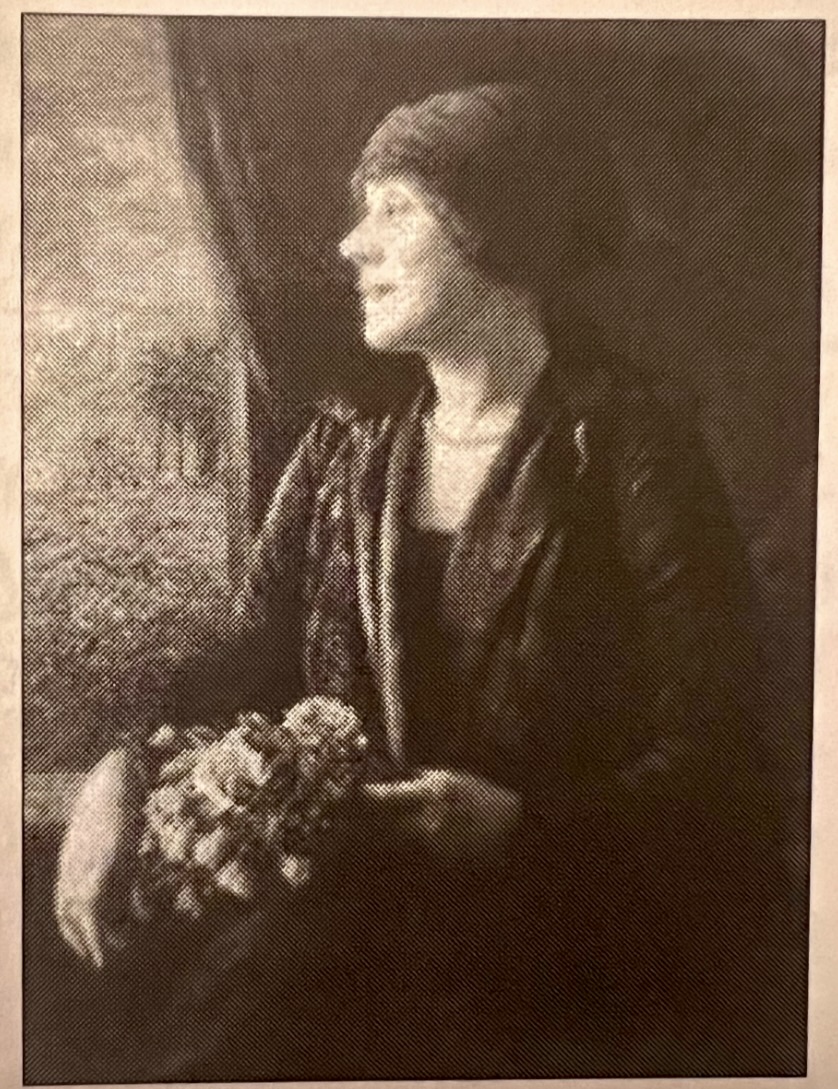
Ruth Hardy was a woman who understood the hotel business. When she and her husband Jack arrived in Palm Springs, they operated the Casita Del Monte, a luxury hotel. After they purchased the Ingleside Inn, the Hardy's filed for divorce. Ruth Hardy came into her own after the divorce, and she singularly took on the challenge of converting the estate into a 20-room luxury hotel.

Hardy ran her hotel like a private club and her reputation grew for providing luxury accommodations in an elegant setting to affluent guests who came from all over the world. Guests enjoyed the fruits of her impeccable skills as a hostess. Many artistic and creative writers like novelist Harold Bell Wright and painters like Salvador Dali came and used the relaxed peacefulness of the Ingleside Inn to work their creative magic.
Hardy operated a small restaurant at the hotel that was only for hotel guests. Those who were staying at the hotel could bring guests to the restaurant if the guests met with Hardy's approval. The Inn had no liquor license, so guests brought their own alcoholic spirits. What is now the Library Room was then the salon where guests assembled before dinner for their "happy hour."
Hardy hosted many famous faces, including Howard Hughes, John Wayne, Greta Garbo, Norman Vincent Peale, Spencer Tracy, Katherine Hepburn, Elizabeth Taylor, Ava Gardener and J.C. Penney.
She kept cards on all guests with comments as to what they liked and whether they should be allowed to return.
Ruth Hardy earned the reputation of providing a mecca for those who sought rest, relaxation, and fun. She was noted for her anti- Semitism, and she screened possible guests to ensure that only gentiles were registered. As the hotel's popularity grew, it got to the point that guests did not call for a reservation, they had to be invited, and, if Mrs. Hardy did not consider that you measured up to her standards, you were simply told there was "no room at the Inn."
Hardy became involved in the political structure of Palm Springs and was elected as the city's first city councilwoman.
Not only did she change the face of the inn, but she also changed the face of the downtown area when, in 1947, she took up the campaign to plant the palm trees that would line Palm Canyon Drive.
After her death in 1965, the name of the city's largest park was changed from Tamarisk Park to Ruth Hardy Park. The park is located at 700 Tamarisk Road.
Postscript: After Ruth's death, the Ingleside Inn was purchased by one of her regular guests, a wealthy man from San Francisco. He was not personally involved with the property and hired managers to keep the day-to-day operations going. Within a decade of her death, the stardust from the old days had largely faded away from the Ingleside Inn. After the loss of a great deal of money, the owner placed the property on the real estate market. The Ingleside Inn was purchased in 1975 by Mel Haber who operated it and Melvyn's Restaurant until his death in October 2016. Ruth Hardy's original Ingleside Inn is now home to 30 suites and villas as well as an acre of manicured grounds. The Ingleside Inn has been sold to a group of investors who have begun a major revitalization completed in October 2017.
The Periscope, a series available on Amazon:
The Periscope includes a series of engaging publications that detail the rich history of the Coachella Valley. From life as a pioneer, the growth of the date industry, all the way to the Salton Sea saga, and much more, the stories bring to life the desert region of Southern California. Written under the umbrella of the Coachella Valley Historical Society (dba Coachella Valley History Museum), books in the series tell the stories of the innovators who helped to make the vibrant region what it is today.
ABOUT THE AUTHORS
Dr. Priscilla Porter is the Co-Director of the Porter History-Social Science Resource Center at the Palm Desert Campus of California State University San Bernardino and a volunteer at the Coachella Valley History Museum. A former elementary school teacher, she is the author of many popular curriculum guides for teachers.
Professional gratitude is extended to the contributing authors: Patricia Korzec, Renee Brown, Diana P. Kitagawa, Rod Hendry, Julia Sizek, and Patricia Laflin. Credit is extended to Eduardo Contreras for the cover design.
This is the first book in The Periscope series from the Coachella Valley Historical Society (dba Coachella Valley History Museum). Additional books in the series will be available SOON. To hear about the latest books, sign up for the exclusive New Release Mailing List by sending an email to prisporter@aol.com. You’ll be glad you did!
Requesting Your Review – Reviews are very important to authors. If you’ve enjoyed this book, please write a review of it on www.Amazon.com